
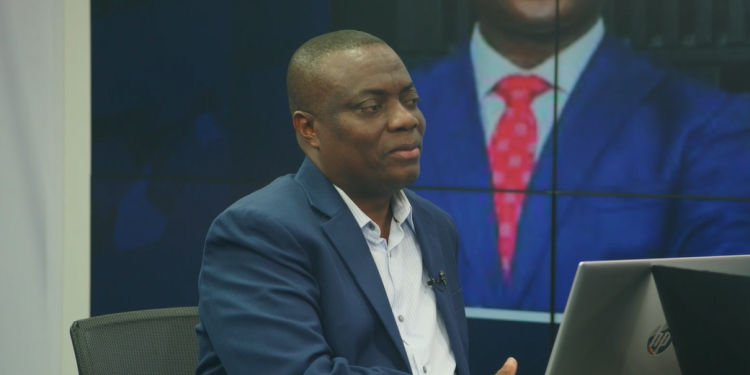

In the Upper East Region, a cloud of anxiety settled over the community of journalists. The cause: a series of chilling death threats and calls for violence that targeted reporters, most notably the Upper East Regional Chairman of the Ghana Journalists Association (GJA), Albert Sore. Their only “crime” was covering the ongoing and sensitive Bawku conflict.
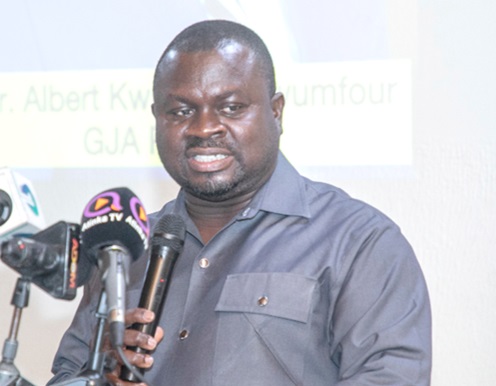
At the heart of Accra, inside the Ghana International Press Centre, the atmosphere was tense as GJA President Albert Dwumfour addressed a press conference. He did not mince words. “The Association is gravely alarmed by death threats, incitement to violence and imminent attacks against journalists in the Upper East Region, especially Mr. Albert Sore, in connection with their professional duties.”
Mr. Dwumfour explained that journalists had been branded as enemies, bombarded with coordinated online abuse, and threatened with death through social media and voice messages. This toxic environment, he warned, was stoking real fears and could very well snowball into mob violence if left unchecked.
The situation had reached a tipping point. Mr. Sore provided a harrowing report detailing how his work was twisted by nameless, faceless actors who incited hatred and issued explicit threats against him and his colleagues. According to Mr. Dwumfour, this was not an isolated case but part of a troubling pattern meant to silence journalists doing their constitutional duty.
Despite initial cooperation from the Regional Police, the GJA leadership believed more needed to be done. Dwumfour issued a rallying call for stronger police protection, swift investigations, and the arrest of those behind the threats. “We call on the Ghana Police Service to publicly reaffirm that threats or attacks against journalists will not be tolerated under any circumstances.”
The GJA formally petitioned the Inspector General of Police, emphasizing that journalists serve the national interest and must not be intimidated or endangered—especially in such volatile contexts as Bawku.
As a proactive measure, the GJA declared Bawku an early warning zone for press safety, urging heightened vigilance and security, and pledging ongoing engagement with journalists on the ground. Dwumfour’s stance was clear: “We will not accept a reactive approach where action is only taken after harm has been done.”
While commending the Ghana Police for improved collaboration, the GJA President pushed for even deeper cooperation to protect journalists and ensure that anyone undermining press freedom faces the full force of the law.
Source: Apexnewsgh.com
