



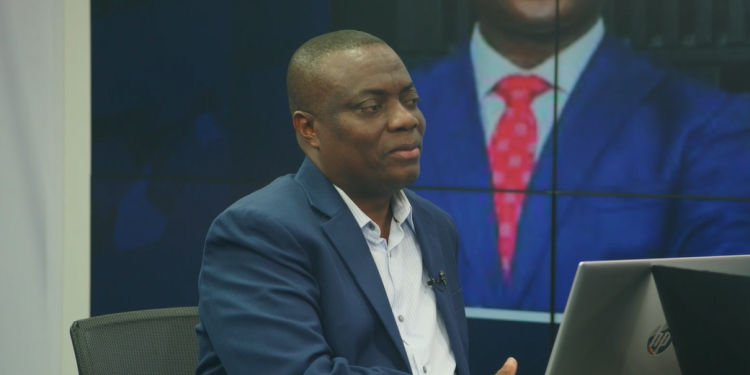



President of the Ghana Medical Association (GMA), Professor Ernest Yorke, has called on the government to swiftly resolve persistent challenges that deter newly deployed doctors from accepting postings in underserved areas.
His appeal comes in the wake of Health Minister Kwabena Mintah Akandoh’s decision to grant newly assigned doctors an extra week to assume duty, after data revealed that 70 percent had not reported to their posts. The Minister described the initial turnout as “deeply troubling,” with the Upper East and Upper West regions recording no arrivals as of Friday, November 28.
In an interview on Wednesday, December 3, 2025, Prof. Yorke explained that reluctance among doctors to move to remote locations stems primarily from poor incentives, inadequate facilities, and limited opportunities for career advancement. He argued that pairing government expectations with meaningful incentives would increase the willingness of doctors to serve in deprived areas.
“It’s a chicken-and-egg situation. Incentives could motivate sacrifice, or sacrifice could attract incentives. Ideally, we should pursue both,” Prof. Yorke remarked.
While the GMA continues to encourage its members to accept rural postings, Prof. Yorke emphasised that the government must recognise their sacrifices by offering suitable compensation and support. He noted that other countries reward doctors who accept assignments in hard-to-reach areas and suggested Ghana could adopt a similar approach. He also revealed that the Ministry of Health already possesses a GMA-designed “Deprived Area Incentive” framework, which is yet to be implemented.
Another barrier, Prof. Yorke highlighted, is the limited access to postgraduate training in deprived regions, which often forces doctors to pay substantial fees to specialise. This, he said, is a further deterrent for those considering rural postings.
Beyond staffing, Prof. Yorke stressed the importance of completing healthcare infrastructure projects, particularly the abandoned Agenda 111 facilities. “We need more than personnel; we need functional facilities. Why not partner with the private sector to finish these hospital projects?” he suggested.
He noted that while reporting rates in Greater Accra, Central, and Ashanti regions remain relatively stable, many other regions continue to struggle with severe shortages.
Prof. Yorke concluded by urging the government to engage in broader consultations with stakeholders and the public to develop sustainable solutions that will guarantee equitable healthcare delivery across the nation.
Source: Apexnewsgh.com
