




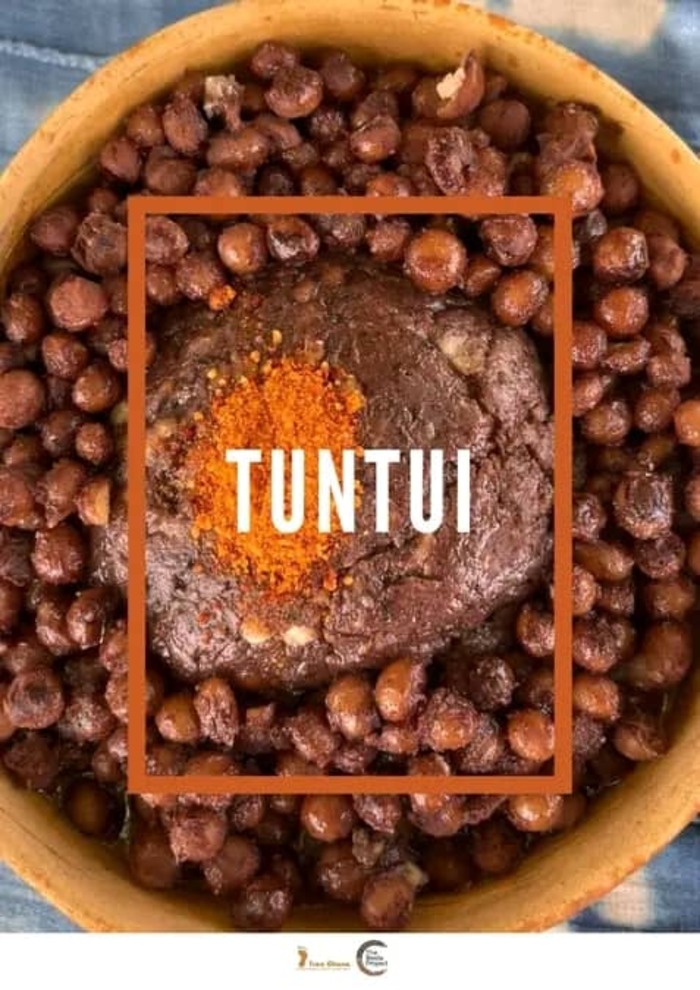
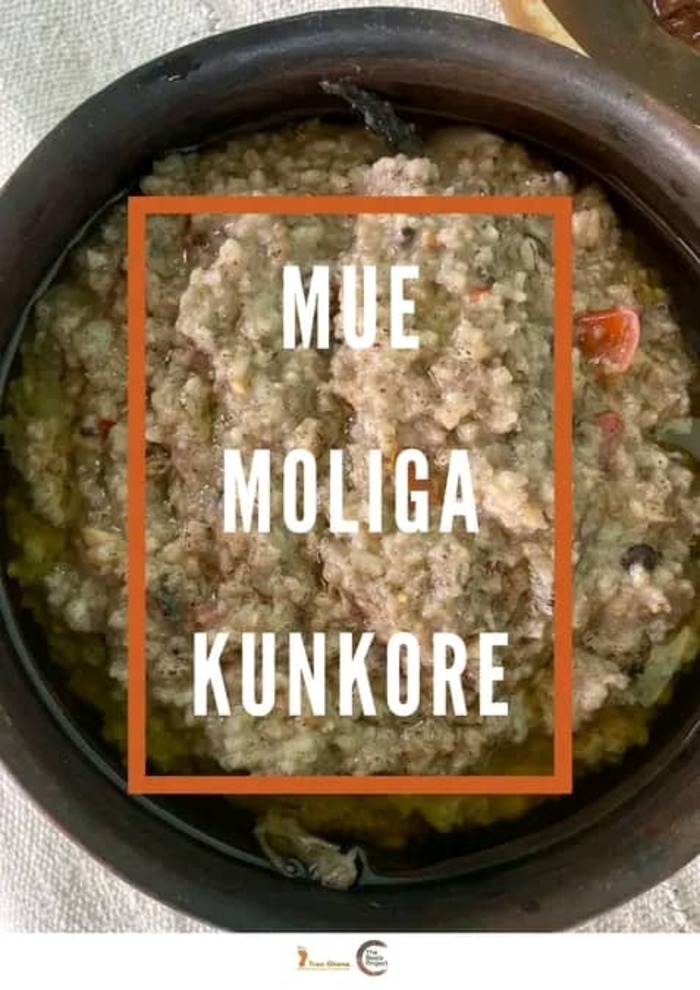
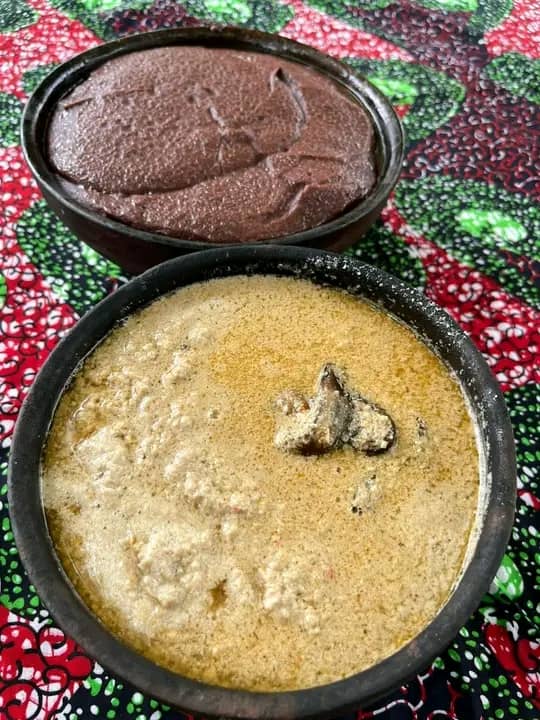
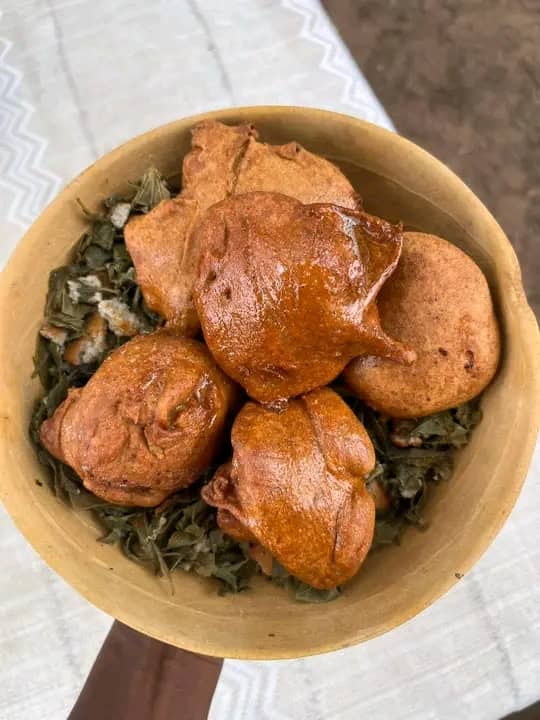


In the heart of Northern Ghana, among the resilient communities of Zaato-Fungu, a dish called Gora La Koose rises above mere sustenance—it tells a story of survival, ingenuity, and enduring cultural heritage.
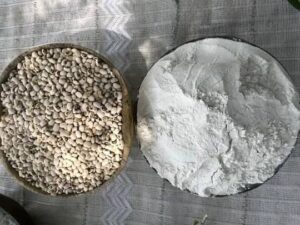
The origins of Gora La Koose are rooted in both resourcefulness and the keen observation of nature. Long ago, elders in Zaato-Fungu noticed monkeys feasting on the fruit of the wild monkey orange tree, a native species with a tough exterior and leaves that, if not handled properly, could be bitter or mildly toxic. Inspired by the monkeys’ instincts and driven by the challenges of food scarcity, the community began experimenting with the fruit and leaves. Through generations of trial and error, they mastered techniques to transform these wild ingredients into safe, nourishing food. What began as a means of survival evolved into a beloved delicacy, celebrated across households and generations.
The very name “Gora La Koose” encapsulates this legacy. “Gora” refers to the monkey orange, while “La Koose” describes the method—roasting, grinding, and blending with local grains and legumes. Each step in its preparation is a testament to ancestral wisdom, patience, and communal learning.
Beyond its nutritional value, Gora La Koose carries deep cultural meaning. It was traditionally prepared during times of scarcity, but its making was always communal—elders guiding youth, sharing not just methods but stories and values. The act of sharing Gora La Koose became a symbol of hospitality and respect, connecting present generations with their ancestors’ resilience. During festivals and gatherings, the dish is a centerpiece, reminding all of the survival skills and unity that sustained the community through hardship.
Preparation is meticulous. Monkey oranges are harvested at peak ripeness, their pulp carefully extracted and leaves collected when bitterness is lowest. To remove toxins and enhance flavor, both undergo roasting and sun-drying. The ingredients are then ground and combined with staples like millet, sorghum, or legumes, along with indigenous spices. The result is a dish rich in texture and flavor, bridging ancient techniques with contemporary tastes.
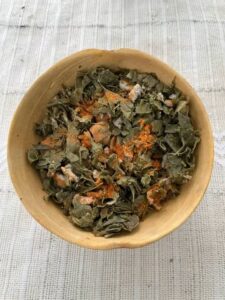
Gora La Koose is also a powerhouse of nutrition. The monkey orange supplies vitamin C and antioxidants, while grains and legumes provide fiber and protein. The leaves add vital minerals. Traditional knowledge and modern research agree: regular consumption aids digestion, supports immune health, and reduces inflammation.
Women have long been the stewards of Gora La Koose’s traditions, teaching its preparation as a lesson in patience, resourcefulness, and land stewardship. Today, their knowledge endures through community workshops and educational initiatives, ensuring that both the recipe and its deeper meanings are preserved for future generations.
As global interest in indigenous foods grows, Gora La Koose is gaining recognition beyond Zaato-Fungu. It exemplifies sustainable, community-based food systems that rely on local, seasonal ingredients and traditional ecological wisdom. The dish is more than nourishment: it is a living archive of courage, collaboration, and continuity.
To eat Gora La Koose is to taste history—to honor the legacy of ancestors who transformed adversity into tradition, and to sustain a culture where food is both story and sustenance. Through dishes like this, the world is reminded of the enduring power of indigenous knowledge and the importance of preserving culinary heritage for generations to come.
Source: Apexnewsgh.com/ Prosper Adankai/ Contributor
