



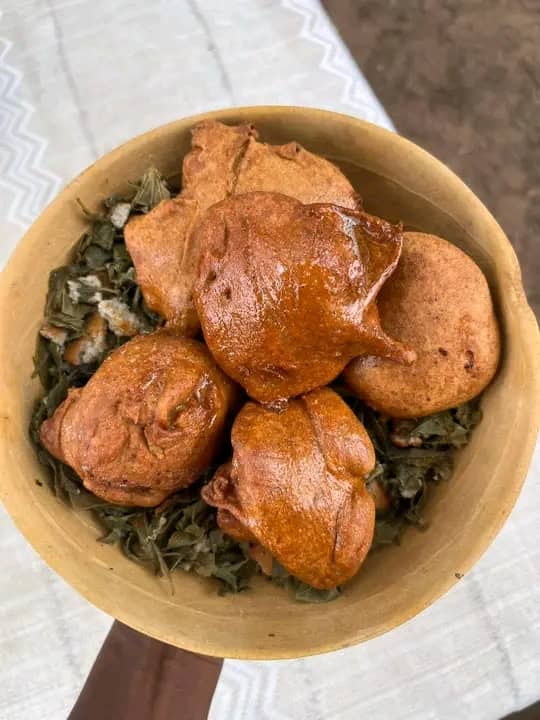

In the fertile heart of Ghana’s Upper East Region, tradition and memory find their most enduring expression at the communal table. Among the dishes that define this region’s culinary identity, Keamuliga Sagebo La Sama, native to the Namiyela community, stands out as a living emblem of resilience, ancestral wisdom, and communal pride.
The roots of Keamuliga Sagebo La Sama run deep. For centuries, the people of Namiyela have prepared this dish during moments of significance—harvest festivals, rites of passage, and family celebrations. Its name, drawn from the Gurunsi dialect, reveals its dual heritage: “Keamuliga” refers to a patient, slow-cooking technique over fire, while “Sagebo La Sama” highlights the blend of locally grown grains and vegetables. The dish was born from necessity: to stretch local ingredients into nourishing meals capable of sustaining families throughout the demanding agricultural season. Yet, from that necessity arose a culinary tradition that celebrates both ingenuity and abundance.
Preparation was, and remains, a communal affair. Women gather around clay pots and open fires, each bringing knowledge of spice blends, cooking times, and ingredient selection. In this circle, children learn practical skills and cultural values—patience, teamwork, and respect for resources—while elders impart the deeper wisdom of the land. The process transforms simple cooking into a living classroom and a rite of passage.
Beyond sustenance, Keamuliga Sagebo La Sama is a symbol of hospitality and togetherness. A plate offered to a guest is an act of welcome and inclusion—food as social glue binding families and neighbors. The use of indigenous grains, leafy greens, and traditional methods reaffirms the community’s relationship with its land and its heritage. In a world where globalized food systems can erode local foodways, this dish stands as a resilient marker of identity and pride.
Ceremonially, the dish is woven into the rhythms of the farming calendar. It is prepared and shared to invoke blessings at the start of the planting season, a ritual that entwines nourishment with spirituality and a respect for natural cycles. Such practices reinforce the community’s holistic worldview, where food, health, and nature are inseparable.
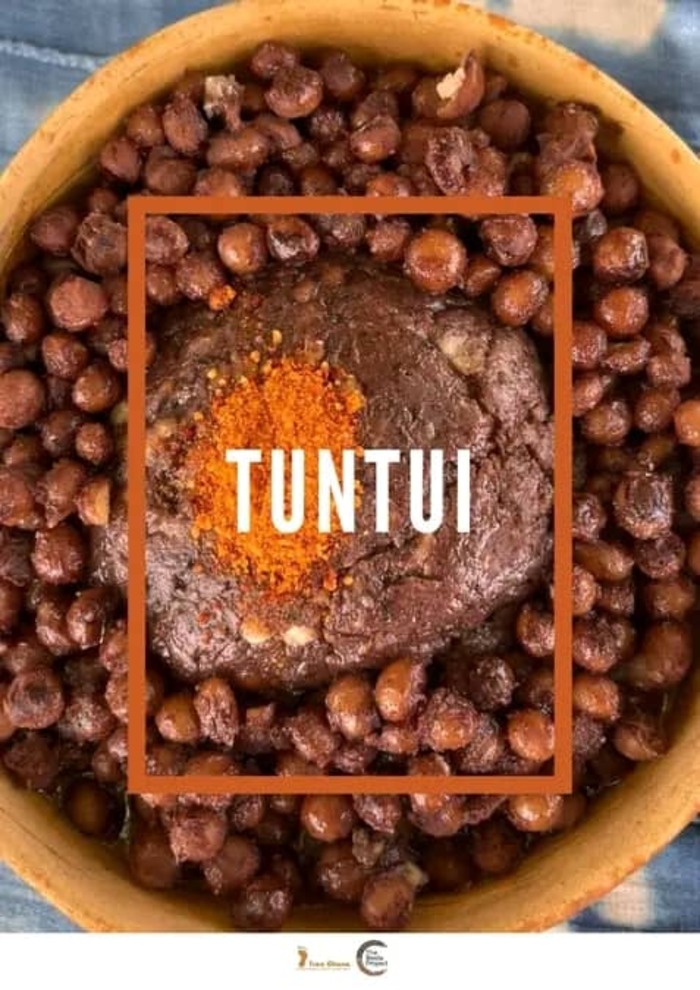
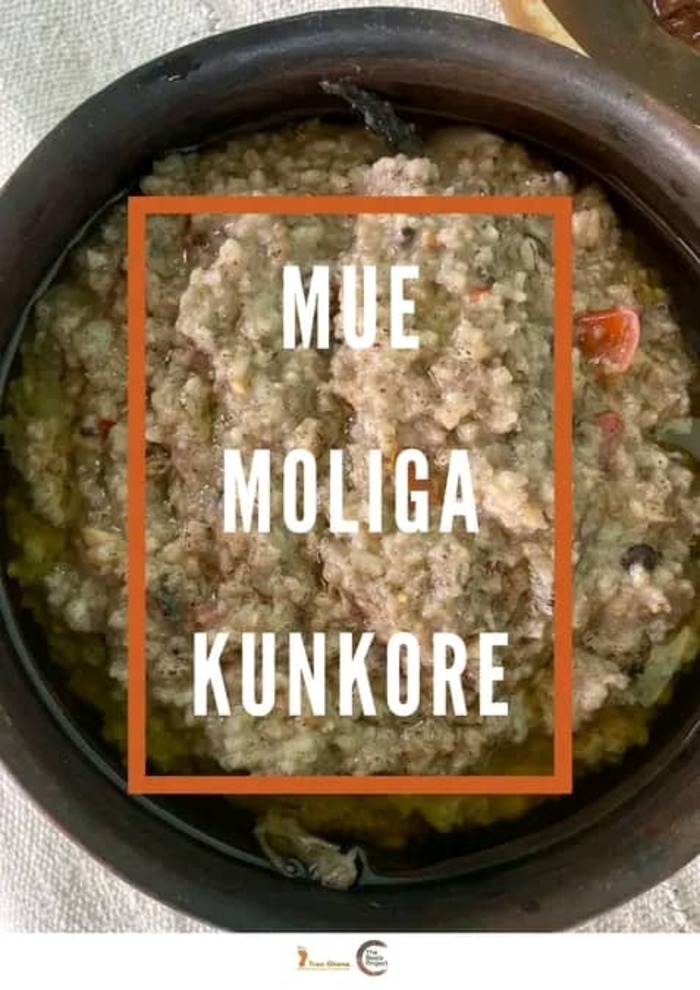
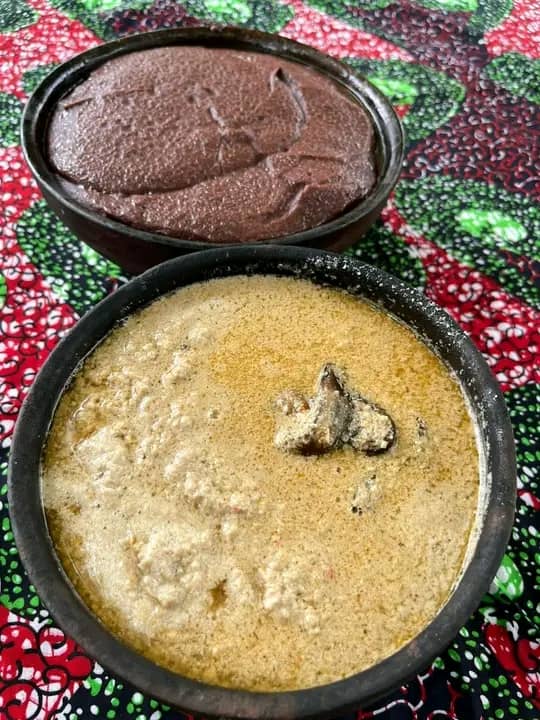
The ingredients and techniques define the dish’s character. Whole grains—millet, sorghum, or rice—are paired with fresh okra, leafy greens, legumes, and, on special occasions, smoked or dried meats or fish. The grains are carefully soaked and washed, vegetables harvested for peak freshness, and herbs and spices added for both flavor and digestion. Slow cooking over a fire or clay stove develops a deep, smoky aroma and preserves essential nutrients, reflecting the broader Northern Ghanaian philosophy that food should heal and sustain, not just fill.
Nutritionally, Keamuliga Sagebo La Sama is powerful. Whole grains provide fiber for digestion and blood sugar control, legumes and meats add protein for growth and tissue repair, and leafy greens and herbs supply vitamins and minerals crucial for vision, bone health, and immunity. The emphasis on seasonal, minimally processed ingredients supports biodiversity and strengthens the community’s food systems.
Today, Keamuliga Sagebo La Sama faces the challenges of urbanization and shifting food preferences, but Namiyela’s women and elders have become custodians of its survival. Through workshops, school programs, and hands-on mentorship, they pass down not just recipes, but the stories and values that give the dish its meaning. In this way, the meal remains a vibrant symbol of resilience, continuity, and communal identity.
As the world looks for models of sustainable eating and cultural rootedness, Keamuliga Sagebo La Sama offers invaluable lessons. It demonstrates how food can carry memory, identity, spiritual meaning, and ecological stewardship. By honoring this tradition, the people of Namiyela nourish both body and soul, and show that safeguarding culinary heritage is a powerful act of wisdom and community.
Source: Apexnewsgh.com/Prosper Adankai/Contributor
