

The usually composed halls of Ghana’s Parliament were charged with concern on Tuesday, January 20, as the Minority Caucus issued a stern warning about the country’s international reputation.
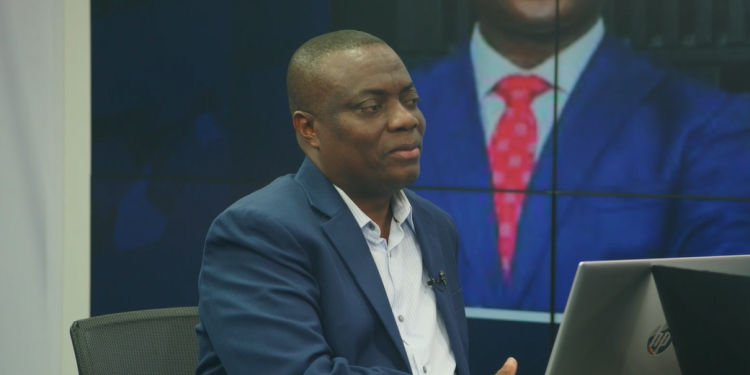
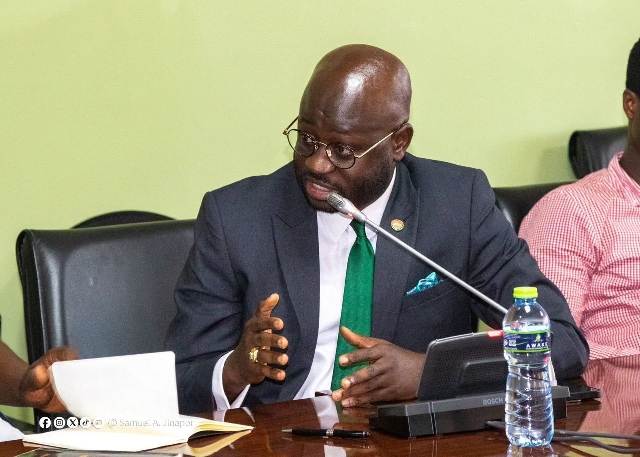
Standing before the press, Nana Asafo-Adjei Ayeh, Deputy Ranking Member of the Foreign Affairs Committee, delivered a clear and pointed message: Ghana is fast becoming unpredictable in the eyes of the world, and at the center of this diplomatic turbulence is the Minister for Foreign Affairs, Samuel Okudzeto Ablakwa.
According to the Minority, a series of recent diplomatic standoffs, particularly with Israel and the United States, has put Ghana’s global standing at risk. The spark for this latest alarm was the government’s response to the deportation of Ghanaian nationals from Israel in December 2025. Instead of engaging quietly behind the scenes, the Foreign Ministry opted for a very public, reciprocal deportation of Israeli citizens, an act that Mr. Asafo-Adjei Ayeh described as “a dangerous departure from established diplomatic practice.”
“Diplomacy is not conducted on social media or through public threats,” Asafo-Adjei Ayeh told reporters. “Serious nations resolve disputes through quiet engagement, not retaliation.”
He reminded the nation that Ghana’s foreign policy has historically been grounded in restraint, dialogue, and multilateral cooperation, an approach that earned respect from Africa to Europe and North America. But recent events, he argued, have put that legacy on the line. When Ghana publicly antagonizes Washington over migration or stages retaliatory deportations with Israel, Asafo-Adjei Ayeh warned, the country’s credibility suffers.
“That is why today, Europe cannot even credibly lobby for us in Washington,” he lamented, suggesting that Ghana’s international alliances have been weakened by what he called “reckless” foreign policy moves.
The Minority also accused Minister Ablakwa of failing to anticipate the diplomatic fallout, especially considering the history of US visa sanctions against Ghana. “This was foreseeable. Any competent foreign ministry would have prepared for it,” Asafo-Adjei Ayeh asserted.
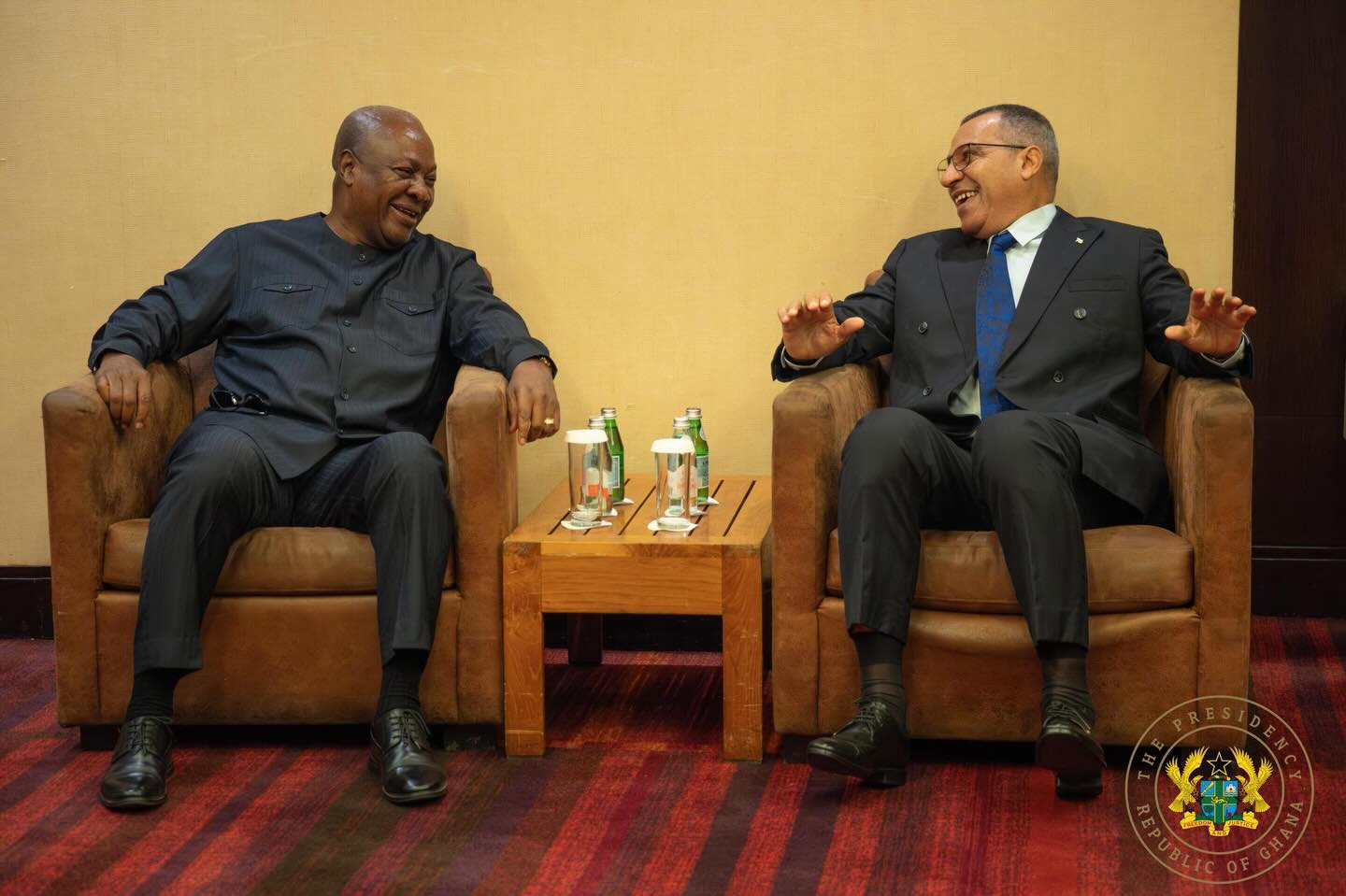
For the Minority, the issue is not just about a single incident but about the risk of an impulsive and applause-driven approach to foreign policy. They renewed their call for President John Mahama to replace Mr. Ablakwa, insisting that Ghana’s foreign relations must be guided by “strategy, discipline, and national interest, not impulse.”
As the press conference ended, the message from the Minority Caucus was clear: in a world where reputation is currency, Ghana cannot afford to gamble with its diplomatic capital. The stakes, they argued, are nothing less than the country’s place on the world stage.
Source: Apexnewsgh.com
