



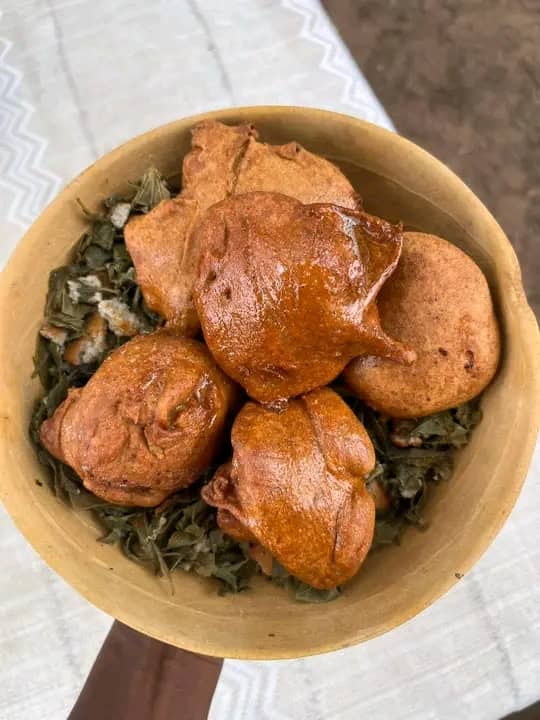


Across Northern Ghana, food has always spoken louder than words. Long before formal invitations or ceremonial welcomes, communities expressed respect, honor, and belonging through what they cooked and how they served it.
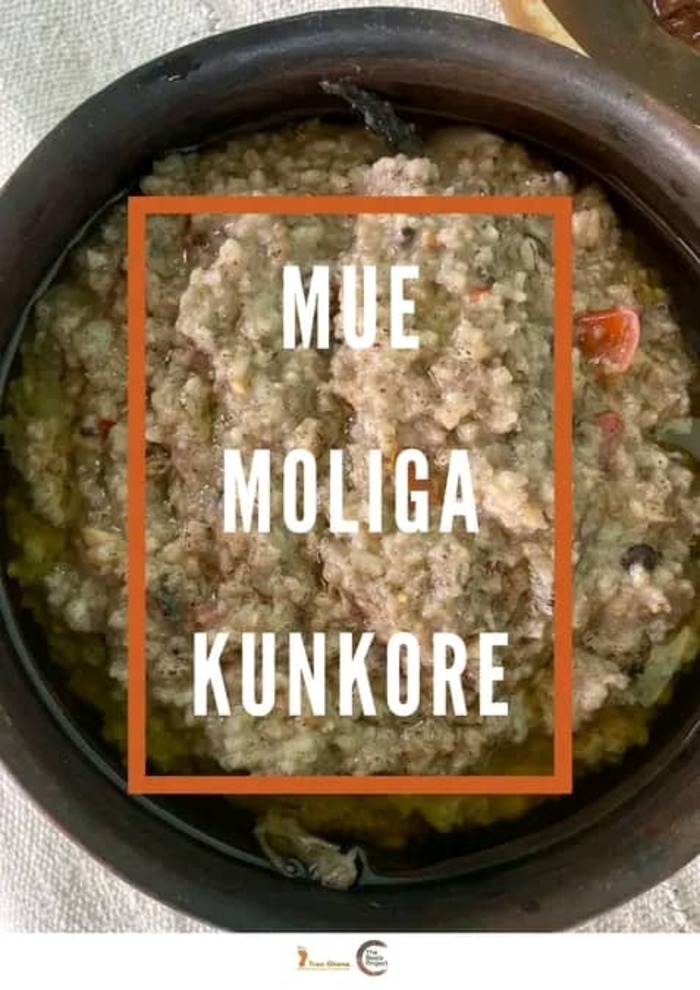
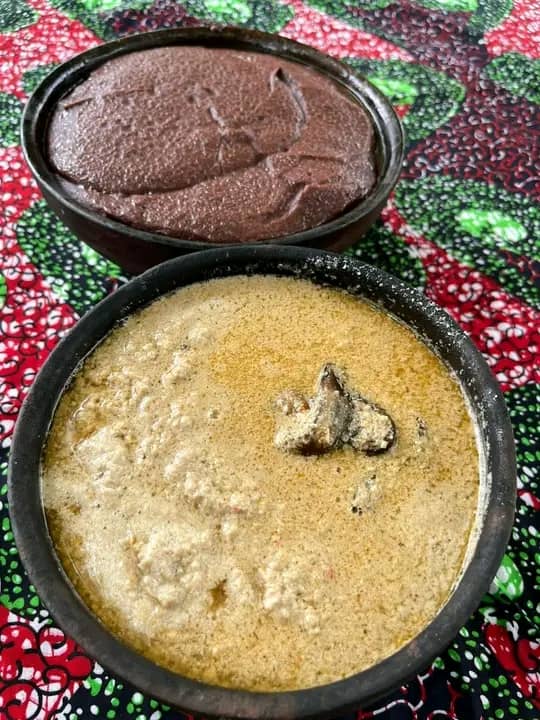
Among the most profound expressions of this ethic is Mue Moliga Kunkore—a dish prepared not just to feed, but to honor guests and affirm the sacred bond between host and visitor.
Mue Moliga Kunkore transcends the realm of everyday food. It is a social ritual and a quiet performance of generosity, reflecting a worldview in which visitors are considered blessings. Its preparation, ingredients, and discreet serving style reveal a sophisticated philosophy—one that prioritizes dignity, respect, and heartfelt welcome.
In many Northern Ghanaian societies, hospitality is a moral obligation. Guests, expected or not, are believed to arrive with their own destiny, bearing blessings or significant news. Serving them well is both a social expectation and a spiritual duty. Mue Moliga Kunkore emerged from this belief as a dish reserved especially for visitors, signaling that they are valued and deserving of the household’s best, even when resources are scarce. The act of preparing this dish communicates a simple but powerful message: “You are important. Your presence matters.”
Traditionally, households would preserve dried guinea fowl, carefully smoked or sun-dried, and store pre-ground rice for immediate use. This was a mark of foresight and respect, rooted in the understanding that true hospitality means being prepared to give before being asked. This practice symbolized a culture of anticipatory generosity—being always ready to welcome.
Guinea fowl, the chosen protein, carries deep symbolism. It is not an everyday food, but one set aside for guests and special occasions, honoring visitors with its rarity and flavor. Pre-ground rice, chosen for ease and speed, ensures that the guest is not left waiting or made to feel burdensome—a mark of emotional intelligence and consideration.
Perhaps the most profound aspect lies in the preparation itself. When a visitor arrived, family members would engage them in conversation while the special meal was quietly prepared. The guest often remained unaware that such effort was being made in their honor, reflecting a cultural value: true generosity does not announce itself. Hospitality flowed naturally and unobtrusively, preserving dignity on both sides.
Mue Moliga Kunkore was more than nourishment—it was reassurance. The careful preparation, warm conversation, and eventual serving of the dish told visitors they were safe, welcome, and respected. In societies where words of affection may be reserved, food became the language of care and trust.
Nutritionally, the dish is balanced and sustaining. Rice provides energy, while guinea fowl offers lean, high-quality protein and essential minerals. The practice of drying meat—developed long before refrigeration—demonstrates traditional wisdom in food preservation, resilience, and food security.
Sharing Mue Moliga Kunkore marked the transition from visitor to temporary family member. It set the stage for important conversations, conflict resolution, or celebrations, dissolving social distance and fostering trust.
Though modern life has made elaborate hospitality rituals less common, the values embedded in Mue Moliga Kunkore endure. Elders still recount stories of being welcomed with warmth and a meal, prepared quietly and served with heartfelt respect. Today, the dish lives in memory and ceremony, reminding all of a time when food was the quiet language of hospitality.
In a fast-paced world, Mue Moliga Kunkore offers timeless lessons: hospitality is an attitude, preparation is respect, and generosity preserves dignity. Reviving knowledge of such dishes means reclaiming values that foster empathy, patience, and genuine community.
Source: Apexnewsgh.com/By Prosper Adankai/Contributor
