


CHRAJ’s Steadfast Role in Ghana’s HIV/AIDS Response: Achievements, Challenges, and the Journey Ahead
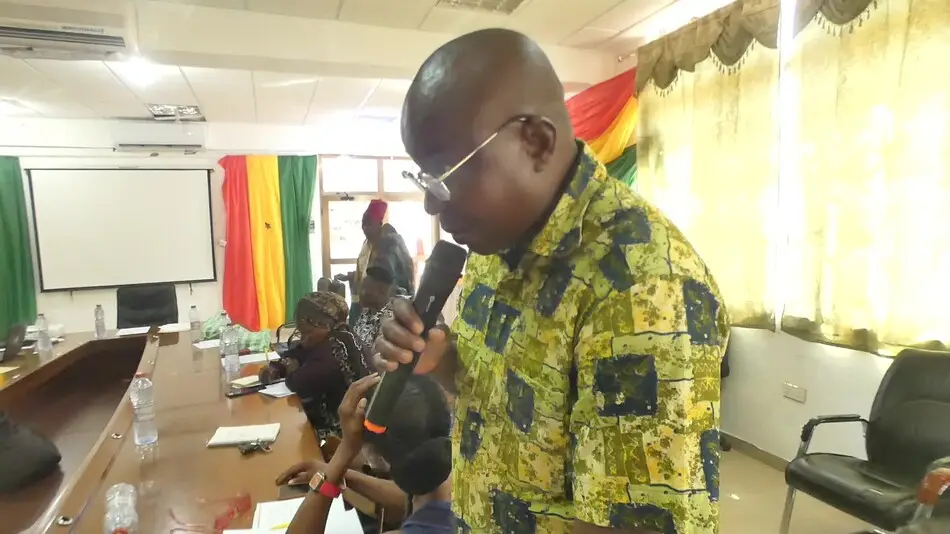
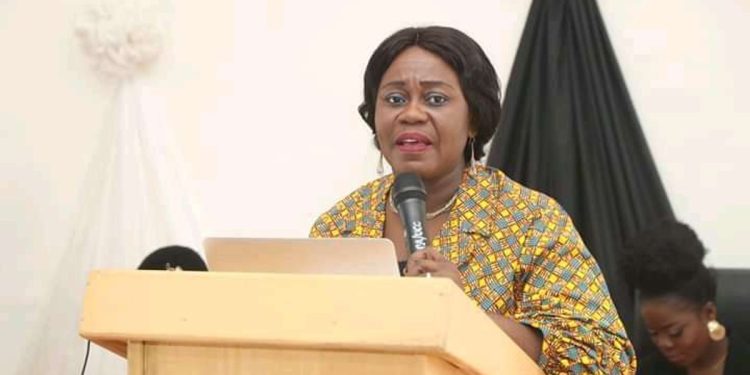
At the grand inauguration of the Upper East Regional Committee of the Ghana AIDS Commission (ReCCOM), the air was filled with a sense of hope and purpose. Among the distinguished guests and partners, the Commission on Human Rights and Administrative Justice (CHRAJ) stood out, represented by Mr. Edmond Alagpulinsa. As he took to the podium, Mr. Alagpulinsa’s words painted a vivid story of commitment, collaboration, and resilience in the region’s ongoing battle against HIV/AIDS. Mr. Alagpulinsa began by expressing CHRAJ’s sincere gratitude to the Regional Co-ordinating Council and its partners. The recognition of CHRAJ as a strategic partner in the HIV/AIDS response, he noted, was not just an honor but a reflection of the Commission’s enduring commitment to upholding human rights in Ghana. This partnership, he explained, is deeply rooted in the CHRAJ Act, 1993 (Act 456), which mandates the Commission to investigate violations of fundamental rights and freedoms, injustice, corruption, abuse of power, and unfair treatment by public officials. This legal framework, Mr. Alagpulinsa underscored, extends protection to all citizens, including those living with HIV/AIDS. He highlighted that the Ghana AIDS Commission Act, 2016 (Act 938), spells out specific rights for persons living with HIV/AIDS, and CHRAJ is duty-bound to actively promote and protect these rights. “Our role in defending the rights of persons living with HIV/AIDS,” he said, “is not just important, it is absolutely critical.” The journey, as Mr. Alagpulinsa described, has been one of seeking out strong partnerships to fulfill CHRAJ’s mandate. Organizations such as WAPCAS, the Ghana AIDS Commission, and Hope for Future Generations have been steadfast allies. Through these collaborations, CHRAJ has empowered its staff and focal persons on HIV/AIDS with specialized training. They have been educated on the Legal Aid Commission Act, with a particular focus on the rights of persons living with HIV/AIDS, strategies to combat stigma and discrimination, and the principles of Alternative Dispute Resolution. This training, Mr. Alagpulinsa emphasized, has equipped the Commission’s team with the knowledge and skills necessary to handle the sensitive cases reported by those living with HIV/AIDS in the region. In addition to training, CHRAJ has actively engaged with individuals at risk of contracting HIV/AIDS. Periodic outreach sessions, conducted in collaboration with Hope for Future Generations, have made a tangible impact. Participants in these sessions not only learn about their fundamental rights but also find a safe space to resolve personal and domestic issues. “These engagements are more than educational, they are transformative,” Mr. Alagpulinsa remarked. CHRAJ’s approach, he explained, is both human-centered and friendly, making the Commission accessible to those who need it most. Persons living with HIV/AIDS now feel more comfortable and confident in approaching CHRAJ with their complaints, knowing they will be treated with dignity and respect. The Commission’s support goes beyond legal redress; counseling services are provided, and ongoing education about rights and freedoms is a cornerstone of their work. Yet, Mr. Alagpulinsa did not shy away from discussing the formidable challenges CHRAJ faces. Among the most pressing issues is the lack of adequate logistics. Limited resources have made it difficult for the Commission to conduct regular public education and outreach activities. The cost of securing airtime on radio stations, an essential platform for public sensitization, has become prohibitive. Similarly, organizing direct engagement sessions with the public is often hampered by financial constraints, restricting the Commission’s ability to meet the growing demand for its services. Stigma and discrimination, Mr. Alagpulinsa explained, remain persistent obstacles. He shared the story of an elderly woman in the municipality, ostracized and assaulted simply because of perceptions surrounding her HIV status. On several occasions, CHRAJ had to step in, providing protection and standing as a shield against the community’s prejudice. Such cases, he noted, illustrate the deep-seated challenges that go beyond legal mandates and require a collective effort to address. Another significant challenge lies in inter-institutional collaboration. Sometimes, cases reported to CHRAJ intersect with issues outside its jurisdiction, necessitating cooperation with other state institutions. However, this collaboration is not always as effective as it should be, leading to gaps in service and, at times, frustration for those seeking help. Mr. Alagpulinsa stressed the importance of strengthening these partnerships to ensure a seamless support system for persons living with HIV/AIDS. Despite these hurdles, CHRAJ remains undeterred. The Commission’s achievements, empowering staff, educating communities, providing counseling, and serving as a beacon of hope for vulnerable individuals, are a testament to its unwavering dedication. “All our services,” Mr. Alagpulinsa concluded, “are provided free of charge. Our doors are always open at the Regional Co-ordinating Council block.” As the event drew to a close, the story of CHRAJ’s contributions, achievements, and challenges resonated with all present. It was a call to action, a reminder that the fight for the rights and dignity of persons living with HIV/AIDS is a shared responsibility, and that with continued collaboration, compassion, and commitment, a brighter future is within reach for the Upper East Region and beyond. Source: Apexnewsgh.com
UER: ReCCOM Inaugurated to Tackle Issues Against HIV/AIDS

In line with section 9(1a) and 9(2) of the Ghana AIDS Commission Act, 2016 (ACT 938), the Upper East Regional Coordinating Council has inaugurated the Upper East Regional Committee of the Ghana AIDS Commission (ReCCOM). At the center of this gathering stood Donatus Akamugri Atanga, the Upper East Regional Minister, his presence radiating a blend of solemn responsibility and steadfast optimism. As the appointed Chairman of the Committee, he addresses a crowd representing every facet of the region’s social fabric. His words, as he took the podium, would chart a new course in the region’s response to HIV and AIDS, one rooted in unity, compassion, and shared resolve. “Distinguished guests, members of the committee, and esteemed colleagues,” Mr. Akamugre began, “it is with a deep sense of purpose, responsibility, and optimism that I warmly welcome you to this significant gathering.” He paused, surveying the attentive faces before him. Today’s event, he reminded them, was not merely the formation of another bureaucratic body. Rather, it was the renewal of a collective pledge, a declaration that the fight against HIV and AIDS would be met with reinvigorated energy, ideas, and collaboration. “For years, Ghana has made commendable progress in the fight against AIDS,” he continued, “yet the Upper East Region, like many others, still faces stubborn challenges.” These included not only medical and logistical hurdles but deeply entrenched social and economic issues that touched every home, every sector, and every individual in the region. The task ahead, he emphasized, required more than just government directives; it called for a harmonized effort from every corner of society. Mr. Akamugre traced the foundation of this renewed fight to the Ghana AIDS Commission Act of 2016 (Act 938), which fortified the institutional framework for the national response and provided the legal backing for a coordinated, multi-level approach. This legislative backbone, he noted, gave the region both the mandate and the tools to strengthen partnerships, harmonize interventions, and ensure that no community was left behind. He looked around the room, his gaze resting on the newly appointed committee members. “The assessment and inauguration of this committee are crucial steps in deepening decentralization and ensuring that our regional response is strategic, inclusive, and sustainable,” he asserted. The committee’s work, he underscored, was central to the broader regional development agenda. The Minister’s tone grew more urgent as he addressed the true nature of HIV: “The AIDS pandemic is not merely a health issue, but a social and economic canker. HIV has no respect for profession, tribe, religion, or status. So, our fight must have no boundaries.” He called for the dismantling of silos and the forging of new alliances, between state actors, the private sector, traditional authorities, and religious leaders. Addressing these gatekeepers of culture and conscience directly, he urged them to use their influence to dispel myths, reshape harmful narratives, and encourage testing and treatment without fear or discrimination. To civil society, he extended a special acknowledgment: “You represent the voice of the vulnerable, serving as a bridge between policy and people. You are the engine of community action in this campaign.” Turning to the committee members, Mr. Akamugre reminded them of the weighty responsibility they had accepted. “Ours is a call to service. We are expected to coordinate efforts, drive public education, protect the vulnerable, challenge stigma, and ensure accountability to the very people we serve.” He challenged each member to approach their work with professionalism, integrity, and a sense of urgency. He expressed confidence that the diversity of backgrounds and experiences within the committee would enrich its work and bring innovative solutions to the region’s most pressing HIV-related challenges. As Chairman, he pledged his unwavering support, promising that the Regional Coordinating Council would provide the leadership, institutional support, and strategic coordination necessary for success. Collaboration, he insisted, would be at the heart of their efforts. The Council would work closely with the Technical Support Unit of the AIDS Commission, civil society organizations, and all relevant stakeholders to achieve the ambitious 95-95-95 global target: 95% of people living with HIV know their status, 95% of those diagnosed are on sustained antiretroviral therapy, 95% of those on treatment achieve viral suppression. The Regional Minister shared the sobering statistics from the 2024 National and Sub-National HIV Estimates. The Upper East Region, he reported, had 7,549 people living with HIV, including 345 new infections, representing a regional prevalence of 0.85%. However, only 49.4% of those affected were receiving antiretroviral therapy. “These numbers reveal a significant gap that we must urgently address if we are to reach our targets and end AIDS as a public health concern by 2030,” he said. While the prevalence rate was relatively low, he warned against complacency. Urban centers were experiencing a rise in new cases, and misinformation from self-styled vigilantes and traditional healers continued to undermine adherence to treatment. More daunting still was the persistent stigma and discrimination faced by people living with HIV. “This is one critical area where we must show strong leadership,” the Minister emphasized. He called for intensive behavior change communication programs, robust partnerships with the media, and community-level engagement to promote compassion, inclusion, and the dissemination of accurate information. He highlighted another critical pillar of the committee’s work: resource mobilization. The effectiveness of regional and sub-national interventions, he noted, depended on securing the funding and logistical support necessary to implement evidence-based programs. As his speech drew to a close, Mr. Akamugre further congratulated the committee members on their nomination and thanked the governing board of the Ghana AIDS Commission for their trust. “We accept this responsibility with profound humility and determination, fully aware that the fight against HIV is not for one institution alone, but a shared responsibility.” He then made the official declaration: “It is my singular honor and privilege to declare the Upper East Regional Coordinating Council Committee of HIV-AIDS duly inaugurated, here on the 10th day of November 2025.” The ceremony reached its emotional pinnacle as Circuit Court Judge Sumaila M. Ahmadu, representing the High
Ablakwa, Buah take IGP, CDS to CHRAJ over election killings

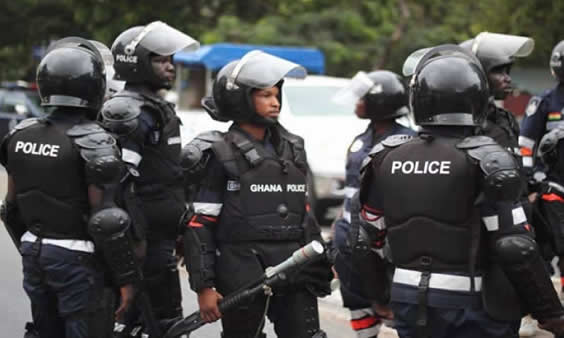
Two opposition MPs have petitioned the Commission on Human Rights and Administrative Justice (CHRAJ) to investigate deaths and injuries that occurred during the 2020 Presidential and Parliamentary Elections. The two MPs – Samuel Okudzeto Ablakwa (North Tongu) and Emmanuel Armah-Kofi Buah (Ellembelle) – have lodged a complaint at CHRAJ against the ministers of interior, defence as well as the Inspector General of Police and the Chief of Defence Staff of Ghana Armed Forces. “Sixty-one electoral and post-electoral incidents nationwide” were reported, the police said in a statement back in December 2020. Of these, 21 “are true cases of electoral violence, six of which involve gunshots resulting in the death of five.” In their petition, they stated that the culprits must be prosecuted while demanding compensation for the victims or their representatives. “It would be a scar on our collective conscience, a threat to future elections and a disservice to the stability of our democracy if we do not take concrete steps to thoroughly investigate, punish the perpetrators and adequately compensate victims,” Ablakwa said after filing the petition. The complaint Their complaint is restricted to the Techiman South, Odododiodio, Ablekuma Central, and Savelugu constituencies in the Bono East, Greater Accra and Northern Regions of the Republic of Ghana respectively, reports the website of state-owned Daily Graphic. It relates to the manner in which the Ghana Police Service and the Ghana Armed Forces discharged their constitutional and statutory mandates in the constituencies. “In the case of the Ghana Armed Forces, their conduct in furtherance of the purpose of the National Election Security Taskforce (NESTF) did not promote the development of Ghana as prescribed by article 210(3) of the 1992 Constitution, as their conduct caused damage to life, limb and property,” the petition reads. “Regarding the Ghana Police service, the manner in which they carried out their functions to further the purpose of the NESTF undermined their constitutional obligation under article 200(3) of performing their “traditional role of maintaining law and order”. Below is the full petition: Petition to CHRAJ on election killings by KM on Scribd — Daily Mail GH Please contact Apexnewsgh.com on email apexnewsgh@gmail.com for your credible news publications. Contact: +2335555568093
Outstanding health director “widely” accused by BONABOTO honoured by GHS
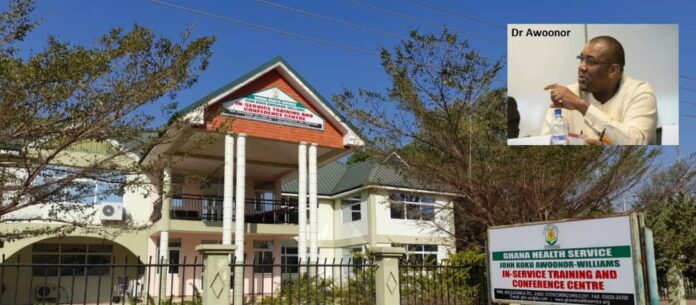
The Ghana Health Service (GHS) has renamed its in-service training complex in the Upper East regional capital, Bolgatanga, after a former Upper East Regional Director of Health Services, Dr John Koku Awoonor-Williams. The honour comes two years after the Commission on Human Rights and Administrative Justice (CHRAJ) had cleared him of a thievery allegation levelled against him in a petition lodged with some entities by BONABOTO, an ethnic association coined from the central part of the Upper East Region. The association— led by Vitus Azeem, Francis Atintono and Stanley Abopaam at the time— had accused Dr Awoonor-Williams of unlawfully taking five official vehicles from the Upper East Regional Health Directorate along with him upon his transfer from the region in 2015. The allegation was rooted in a claim made in August, 2016, by Dr Awoonor-Williams’ successor, Dr Kofi Issah, at a public event and during a media interview that five official vehicles could not be accounted for at the directorate after Dr Awoonor-Williams’ departure from the region. But a four-month-long investigation undertaken by Starr News (a subsidiary of the EIB Network) exonerated Dr Awoonor-Williams. Subsequently, an investigation conducted for 18 months by the CHRAJ—Ghana’s main anti-corruption organ— also affirmed in a 71-page report that BONABOTO’s imputation against Dr Awoonor-Williams and Dr Ebenezer Appiah-Denkyira (a former Director-General of the GHS who was similarly accused by BONABOTO) was not true. Dr Awoonor-Williams stands out among the 11 regional directors of health services the Upper East Region has had from 1972 up to the present time. Whilst he was in charge as the Upper East Regional Director of Health Services, he supported poor widows and orphans and gave scholarship assistance to a number of second-cycle and tertiary students in the region. He refurbished the 3-storey office block of the Upper East Regional Health Directorate and assisted many GHS staff to acquire their own vehicles under the Ministry of Health’s “Staff Vehicle Hire Purchase Scheme” as motivation to accept posting to hard-to-reach areas in the deprived parts of the region. Caption: Dr Awoonor-Williams transformed the Upper East Regional Health Directorate among his numerous achievements. He offered personal incentives to health professionals to accept posting to the Bawku Traditional Area and the rural corners of the region, renovated residential quarters for nurses, midwives and doctors in the region and constructed a 2-storey in-service training centre for the GHS. He introduced motorised tricycle ambulances to bridge ambulance gap in difficult-to-reach areas of the region, established a satellite campus for a “Degree in Public Health Nursing Programme” at Navrongo. He constructed an ultramodern walk-in cold room in the regional capital for storage of vaccines for the region, introduced the Mobile Technology for Community Health (MoTech) Initiative to help the region and Ghana attain the United Nations’ goals on infant fitness and maternal health. Dr Awoonor-Williams introduced the Ghana Essential Health Intervention Project (GEHIP) in the region through a proposal he wrote to the Doris Duke Charitable Foundation (DDCF) to help address maternal deaths and infant morbidity in three districts in the region. After that, he wrote another proposal that won a 9-million-US-dollar funding from the Korean International Cooperation Agency (KOICA) to achieve the same objectives of GEHIP across the region under what is known today in the region as the CHPS-Plus Project. He offered continuous support to the Ghana Red Cross Society, the Ghana Coalition of NGOs in Health, the Red Cross Mothers and several other local GHS partners to promote health in rural communities. Dr Awoonor-Williams also inspired and facilitated the expansion of the Upper East Regional Hospital (an ongoing project) in Bolgatanga and acquired a van for delivery of medicines and other non-consumables to health facilities across the region. He established a laboratory at the Regional Medical Stores at Zuarungu (capital of the Bolgatanga East District) for the preparation of mixtures and syrups. Even as a Regional Director of Health Services, he was also providing surgical services and clinical consultations at the Navrongo War Memorial Hospital, the Bongo District Hospital and the Upper East Regional Hospital as the region was plagued by an acute shortage of medical doctors. “Dr Awoonor has a passion for constructive change”— GHS Director In addition to these rare feats, he also undertook important research work that informed some national policies as well as staff development and capacity building programmes during the seven years he served as the Upper East Regional Director of Health Services. Dr Awoonor-Williams also supported poor patients financially and assisted several sick persons in the region to receive tertiary care at higher-level health facilities outside the region. Besides, he provided a fully furnished office and a restroom for drivers at the Regional Health Directorate and constructed a restaurant for the Regional Health Administration. He also facilitated construction of CHPS compounds in areas including the Builsa North Municipality, the Builsa South District, the Kassena-Nankana Municipality, the Kassena-Nankana West District, the Bawku Municipality, the Binduri District, the Bolgatanga Municipality and the Bongo District. “Dr Awoonor has championed a lot of programmes in Public Health, especially the CHPS. He has a passion of making constructive change or impact wherever he finds himself and he has strong collaboration with development partners in the area of health. He mobilised resources to build the in-service training centre some years ago as a training unit for healthcare staff among other good reasons. Management thought it wise during Dr Winfred Ofosu’s time to name the facility after him to inspire and to motivate people everywhere,” the new Upper East Regional Director of Health Services, Dr Emmanuel Kofi Dzotsi, said in a Starr News interview. Dr Awoonor-Williams was chased out of the region by an incited mob in October, 2015— a situation that reportedly made it impossible for him to hand over to his successor as properly as he should. He held a handkerchief to a tearful eye as he drove out of the deprived region (to which he had devoted everything for 7 years) immediately after he had handed over on a Monday morning.
People With Mental Health Conditions Have Same Right Just Like You On SRHR- CHRAJ
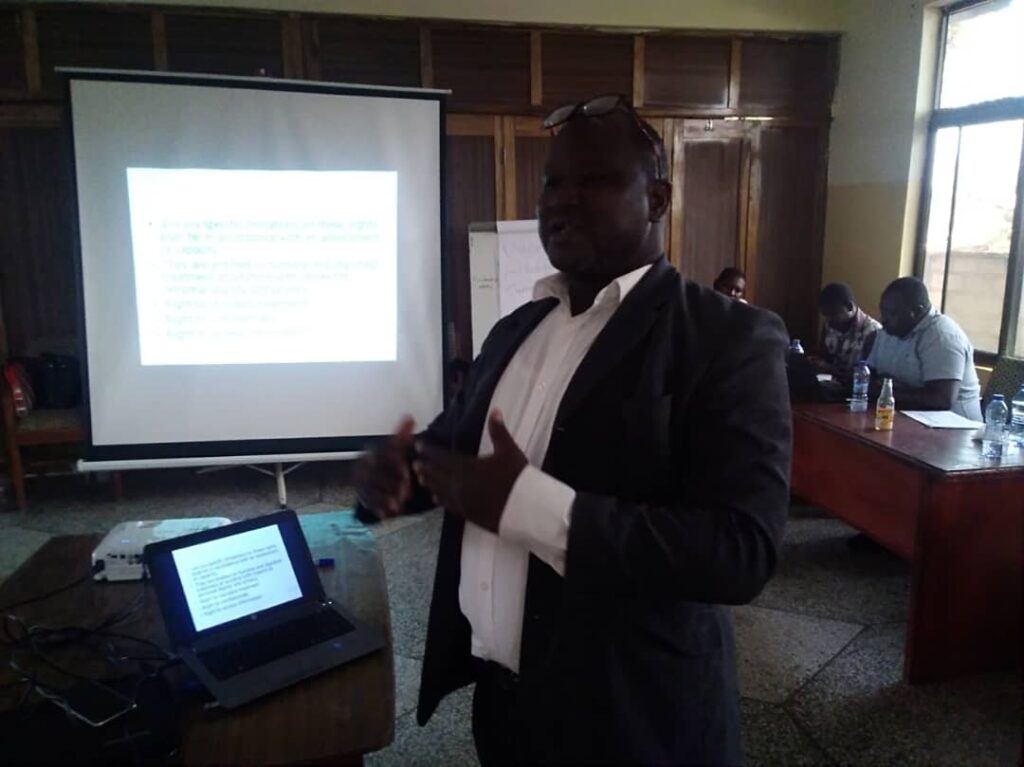
A Senior Investigator and Public Education Officer with the Tamale Commission on Human Rights and Administrative Justice (CHRAJ) office Inusah Iddrisu has admonished the general public to take the rights of people with mental health conditions seriously before the law catches them. Mr. Iddrisu made the call in Tamale during the two days Sexual and Reproductive Health Rights Advocacy training workshop for Mental Health Alliance Member organized by BasicNeeds-Ghana. Engaging with Apexnewgh.com after his legal presentation on Rights for people with mental health conditions said UN took a decision to come out with a resolution, and the resolution set out the rights that persons with a mental condition should enjoy, and according to Mr. Inusah, the resolution has tasked state parties to come out with policies and programmes and institution to ensure that the rights set out in the resolution are enjoyed by people with mental conditions in their respective space or countries. “…so, Ghana going by the resolution in 2012, came out with the Mental Health Act 846, and in that particular, they have set out the rights people with the mental condition will enjoy and that includes, their right for a decent life, their right to health, their right standard treatment, their right to confidentiality when they go to health institutions and their right to employment. People with a mental health condition should not be discriminated against based on their mental condition and employer should not terminate the employment of an employee base on his or her mental condition and even if they lived in your house as a tenant, with a certain mental condition, you should not evict that person based on his or her mental condition. The act has provided for the procedure the employer should take to ensure that the rights of these people are protected.” However, he advised employers who are taking undue advantage of these categories of people due to their vulnerable conditions, to get copies of the Acts to guide them and their various institutions. “… i would entreat employer to get themselves copies of the Act so that anytime they want to act base on persons suffering from a mental condition in their respective institution, they should refer to the Act and work in line with the law so that do not violate the rights of these categories of people.” He further pointed that, Sexual and Reproductive Health Right (SRHR) is one of the legal rights the law has provided for everybody to enjoy, because, it is a particular right that gives an individual or couple the opportunity to take a decision on their sexuality or their reproductive rights and that includes, when and how they should produce, the spacing and then how they should do it. “…sexual materials including medication, access to the reproductive health drugs, in fact, it should be there a very accessible and affordable so that everybody can get it.” “…but then, we are talking about a person with mental conditions and then, when we talked about reproduction, we are talking about people who can form an opinion and concern to the Act and know the consequences of what they are doing and so if the person cannot take that decision, the law provides for any denial or limitation to the enjoyment of the right must be subject to an assessment capacity. So, even though these rights are set out by law, it means that everybody is supposed to enjoy it.” He stressed Apexnewsgh.com/ Ghana/ Ngamegbulam Chidozie Stephen Please contact Apexnewsgh.com on email apexnewsgh@gmail.com for your credible news publications
UER: Implement DV fund and create Shelters for Abused women- WOM
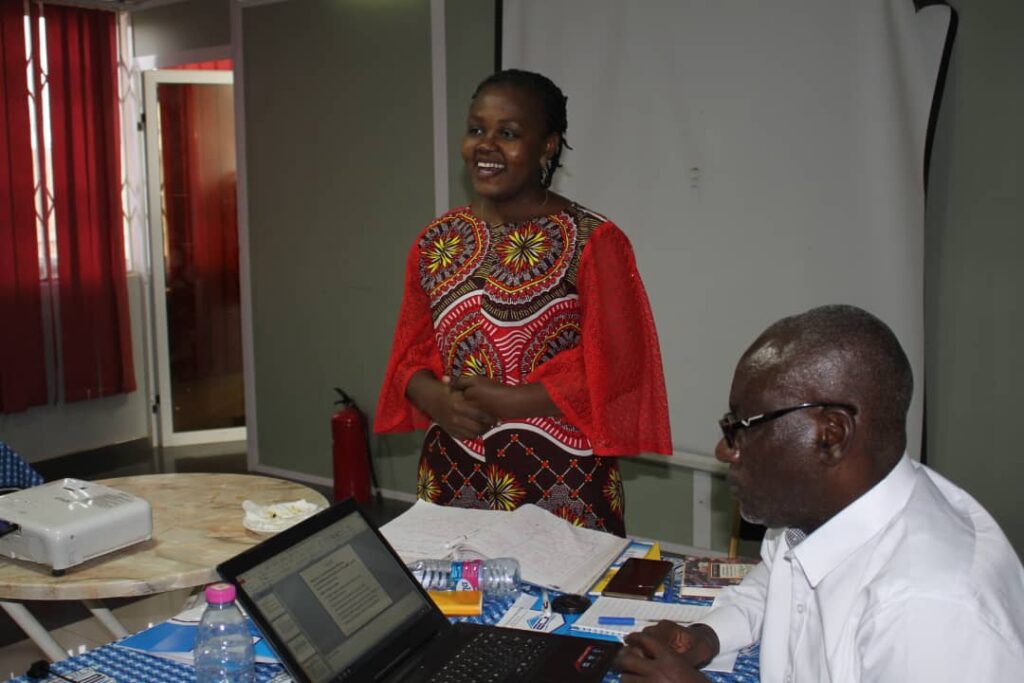
The Widows and Orphan Movement, (WOM), a non-profit organization focused on helping alleviate the plight of widows and orphans in Northern Ghana has called for the decentralization of state institutions such as CHRAJ and DOVVSU to the various Districts in the Upper East Region as well as the setting up of Domestic violence shelters to provide services for victims and families. In response to domestic violence, sexual assault, dating violence and even stalking some countries have domestic violence shelters, law enforcement, rape crisis centers, children’s Services to reduce future violence. To sustain the impact of the ENOUGH project aimed at ending Sexual and Gender-based Violence, a separate initial scoring was conducted to identify the gaps between community members who access services from these institutions and another for the various state institution including duty bearers in the region. While there exists a challenge with access to many of the state institutions in the Upper East Region due to the high poverty level of many, t, however, came to light that these institutions scored high when it comes to delivery of services. At a joint scoring and dialogue session for community and duty bearers on the implementation of the Domestic Violence ACT and Legislative Instruments, the Executive Director of WOM, Fati Abigail Abdullai further described as worrying the delay in the implementation of the Domestic Violence fund with the legislative instrument backing it and the lack of Shelters for Abused women. While acknowledging the commitment of the two major political parties to feature the implementation of the Domestic Violence Funds, Madam Abdulai stressed the need for the Gender, Children and Social Protection Ministry to include the fund in their annual budget submitted to the Ministry of finance. The National spotlight on Domestic and sexual violence has brought more survivors out of the shadows with increasing requests for prevention programs. However, due to budget shortfalls, many of these service providers are forced to turn away victims who are desperate and have nowhere to go. Ghana joined the rest of the world to commemorate the International Day of Rural Women, with the spotlight on the urgent need for building rural women’s resilience in the wake of COVID-19, for “building back better” by strengthening rural women’s sustainable livelihoods and wellbeing. Since 1992, there has been a steady improvement in the human rights record in Ghana with news legislative Acts including the Domestic Violence Act 2007, the Disability Act 2006, the whistle Blowers Act 2006, Human trafficking Act 2005, and the Juveniles Justice Act 2003, the Children’s Act 1998, the criminal code that repealed criminal libel and sedition law and just recently Parliament passed the Criminal Offences (Amendment) Bill 2020 been passed. Ghana has also ratified and signed onto most United Nations and African Union Human rights treaties, the picture of enjoyment of human rights is still far from perfect. The establishment of the Commission for Human Rights and Administrative Justice emanated from the Office of the Ombudsman provided by both the 1969 and 1992 constitutions with the responsibility to investigate human rights abuses and administrative injustices. The commission has a vision to create a free just and equitable societies where fundamental human rights and freedoms are respected and power is accountable and governance is transparent. In an interview on GBC URA Radio, the Upper Regional Director of CHRAJ, Lawyer Jallaludeen Abdulai acknowledged that the commission is present in only five (5) municipals and districts owing to constraints in with budgetary allocation and lack of offices accommodation in the other districts. He further indicated that the Commissioner of CHRAJ has written to all sixteen Regional Ministers to allocate office accommodation in the various districts under their jurisdiction for staff to be posted there to enable victims of human abuse to access the services rendered by the commission. While encouraging all legal citizens to be interested in the human rights of others, the Director of CHRAJ reminded perpetrators of human rights abuses to be mindful of the law and even the pricks of the conscience. Apexnewsgh.com/Ghana/Contributor: Prosper Adankai Please kindly contact apexnewsgh.com on apexnewsgh@gmail.com for your credible news publications