

Modern Day Social Media Slavery: The Monetization Dilemma Facing African Content Creators
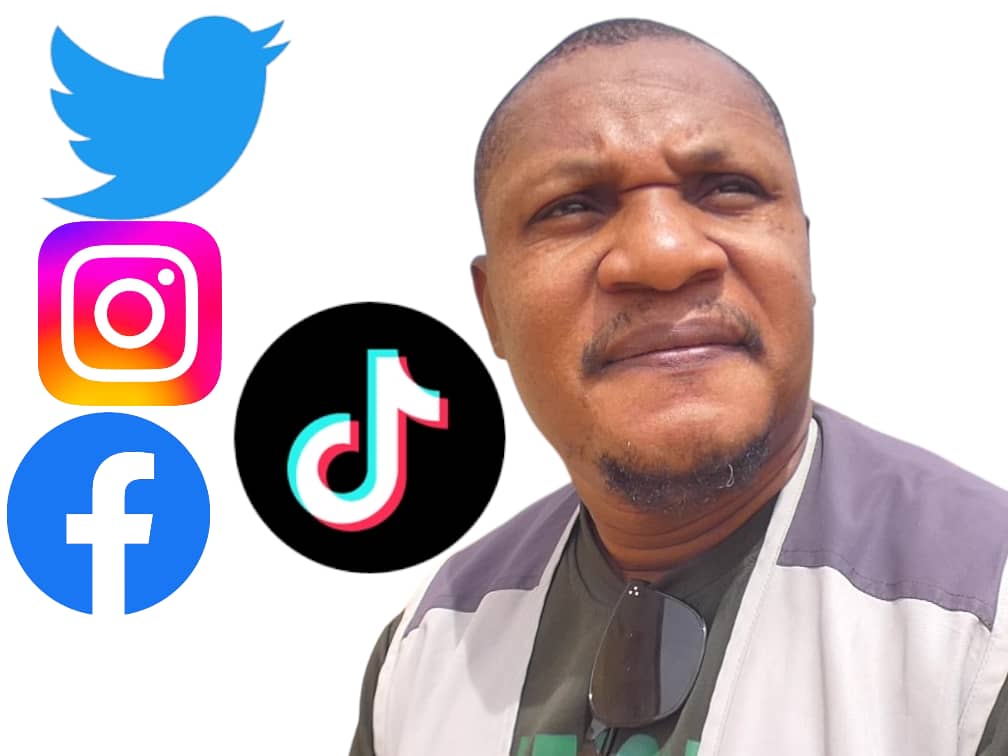
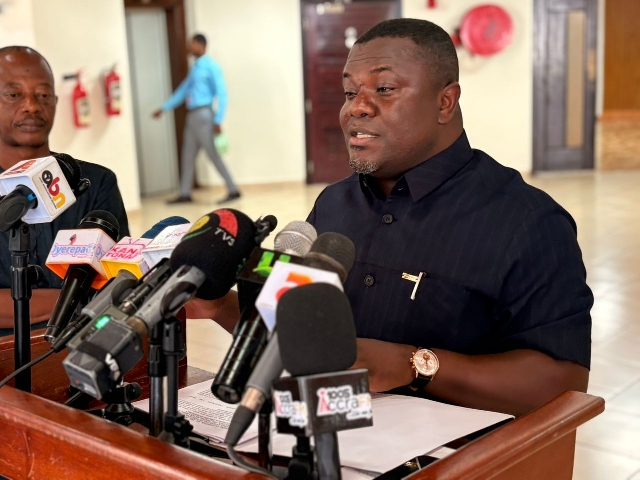
Ngamegbulam Chidozie Stephen Email: apexnewsgh@gmail.com In the digital age, social media has become a global equalizer, bridging continents, cultures, and communities. Platforms like Facebook, TikTok, Instagram, and YouTube have revolutionized how we interact, share stories, and even build livelihoods. Yet, beneath this veneer of democratization, a troubling disparity persists, one that many African content creators and digital entrepreneurs are finding increasingly difficult to ignore. The question that lingers: Why are African creators still largely excluded from direct monetization opportunities offered by these very platforms? Recently, media personality Ngamegbulam Chidozie Stephen voiced his concerns about what he describes as “modern-day social media slavery,” a term that resonates deeply with many across the continent. His frustration and that of countless others stems from the ongoing marginalization of African voices in the digital economy, particularly when it comes to earning money from content creation. Africa’s social media landscape is nothing short of remarkable. TikTok, for example, boasts over 189 million users across the continent, an impressive 11.9% of its global audience. The surge is most notable among Gen Z, with Egypt and Nigeria leading in user numbers at 32.9 million and 27.4 million, respectively, closely followed by South Africa’s 17.5 million. Facebook’s dominance is even more pronounced, with between 290 and 377 million African users as of 2025-2026, representing a staggering 82% market share among all social platforms. Instagram and YouTube also enjoy robust growth, driven by widespread smartphone adoption and improving internet infrastructure. YouTube alone counts roughly 180 million African users, with Egypt, Nigeria, and South Africa topping the charts. These statistics highlight Africa’s immense contribution to the global digital community. The continent’s youth, in particular, are not just passive consumers; they are active creators, trendsetters, and influencers. Yet, despite their numbers and creativity, a significant barrier remains: the inability to directly monetize their creativity on major platforms like TikTok. For millions of African content creators, the lack of direct monetization options is not just an inconvenience; it’s a structural disadvantage. TikTok, in particular, has come under scrutiny for not enabling direct monetization for African users, despite the platform’s rapid growth and deep penetration across the continent. While some African countries have recently gained access to Facebook’s monetization features, TikTok’s policies still leave many creators in the lurch. This exclusion means that, for now, the only way for an African TikTok creator to earn from their content is through complex workarounds. Typically, creators must rely on intermediaries based in the US or Europe, who register accounts, enable monetization, and then share the proceeds with their African partners. This not only complicates the process but also perpetuates a dependence on Western gatekeepers, a scenario that many, including Mr. Stephen, liken to a new form of digital servitude. The frustration is palpable, especially when considering the influence of African content creators on global trends. Figures like Mark Angel, Itsyaboymaina, Carter Efe, Ilyas El Maliki, Wode Maya, Mihlali Ndamase, Aisha Yesufu, and others have amassed millions of followers and generated content that resonates far beyond the continent’s borders. They are proof that African creativity is not only vibrant but also commercially viable. Yet, these same heroes are now being called upon to leverage their influence for change. As Mr. Ngamegbulam passionately argues, they have a responsibility, not just to themselves, but to the broader African creator community, to advocate for policy reforms that will allow direct monetization for all African users. Their collective voices could pressure tech giants to recognize Africa’s value not just as a market, but as an essential part of the global creative economy. Describing the situation as “modern-day slavery” is not mere hyperbole. The current dynamics effectively relegate African creators to second-class status in the digital world. While creators in the West enjoy seamless access to monetization features, sponsorships, and brand partnerships, their African counterparts are forced to navigate a maze of bureaucratic hurdles and rely on international connections just to earn a share of the same opportunities. This is particularly egregious when considering that Africa’s youth are among the most engaged and dynamic users of these platforms. The West reaps the benefits, both in terms of advertising revenue and cultural capital, while Africans are left scrambling for scraps. The exclusion is not only economically damaging, but it also sends a troubling message about whose voices and stories are considered valuable in the digital age. For many young Africans, social media represents more than just entertainment; it’s a lifeline to economic empowerment, self-expression, and global visibility. The inability to monetize content directly stifles entrepreneurship, discourages innovation, and perpetuates existing inequalities. It also means that Africa’s digital economy is not reaching its full potential, with billions of potential revenue lost to foreign intermediaries. Moreover, the absence of direct monetization deepens the digital divide between Africa and the rest of the world. It prevents local creators from reinvesting in their communities, building sustainable businesses, or even supporting themselves and their families. This is especially critical given the continent’s burgeoning youth population and high unemployment rates, conditions that make the promise of digital entrepreneurship all the more appealing. The reasons behind this exclusion are complex. Some platforms cite issues like payment infrastructure, regulatory challenges, or concerns about fraud. Others may simply be slow to adapt their policies to regions outside their primary markets. But whatever the rationale, the effect is the same: African creators are systematically denied the same opportunities afforded to their peers elsewhere in the world. This disparity is all the more galling given the relentless growth of social media usage in Africa. The continent is one of the fastest-growing markets for platforms like TikTok, Instagram, and YouTube. Its users are young, tech-savvy, and eager to engage. They create viral trends, generate massive view counts, and shape conversations on a global scale. The data is clear: Africa is not just a consumer market; it is a creative powerhouse. It is both ironic and troubling that, to monetize their creativity, African content creators must rely on Western infrastructure and intermediaries. This not