

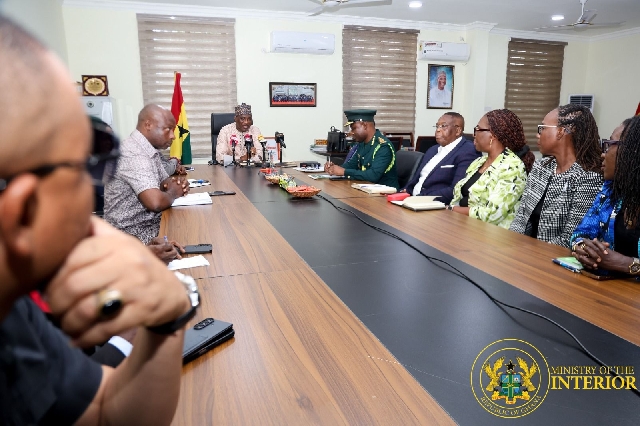
The sun filtered gently through the windows of the Interior Ministry in Accra as an important meeting unfolded, a gathering poised to shape the future of Ghana’s migration governance and border security.
Mohammed Mubarak Muntaka, the Minister for the Interior, welcomed the Governing Council of the Ghana Immigration Service (GIS) to his office, a gesture that underscored the government’s ongoing commitment to modernising the nation’s security architecture.
The GIS delegation, led by Council Chairman Rev. Steve Wengam, arrived with a clear mission: to commend the Minister for his exceptional leadership and to chart new paths for collaboration. As they took their seats, Rev. Wengam spoke on behalf of the Council, describing Mr. Muntaka as one of Ghana’s finest Interior Ministers, a leader whose vision and integrity had left a lasting impact on the service.
He praised the Ministry’s dedication to transparent recruitment, improved logistics, and the strengthening of migration governance.
“Your commitment has set a new standard,” Rev. Wengam remarked, his words echoing the sentiments of many within the Service. As a tangible sign of government support, he cited the recent provision of 20 pickup vehicles, vital resources that would empower GIS officers to carry out their duties more effectively across the country’s borders.
But the Council’s ambitions went further. Rev. Wengam announced an upcoming Public-Private Partnership (PPP) initiative named “Secure Our Borders” (SECOBOD). This project, he explained, aimed to bring private expertise and resources into the fold, helping address critical challenges such as border security management and operational gaps within the Service.
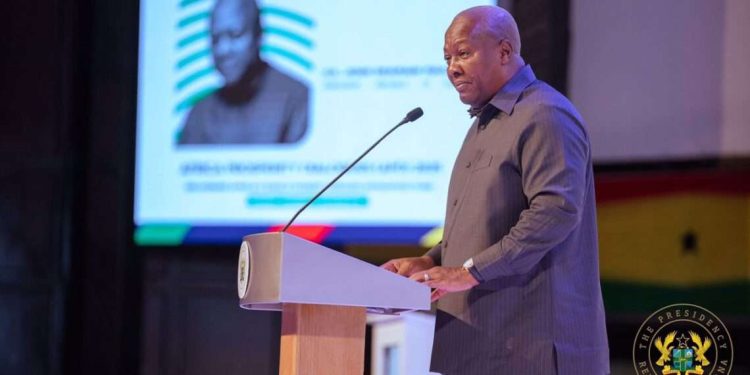
Minister Muntaka responded with appreciation for the Council’s diligence and innovative spirit. He reassured the members of his unwavering support, urging GIS officers to uphold professionalism, patriotism, and an unwavering commitment to Ghana’s national interest. In his remarks, he referenced President John Dramani Mahama’s vision to “reset, retool, and reform” the country’s security services, noting that the Council’s plans were closely aligned with this broader national agenda.
Looking to the future, Mr. Muntaka revealed that preparations were underway for the construction of seven new regional GIS offices—a key part of the President’s drive to provide modern infrastructure for the security sector. He also highlighted the pivotal role immigration officers play as Ghana’s first line of defense at its borders, emphasizing that vigilance and professionalism were more crucial than ever.
The Minister didn’t shy away from the challenges ahead. He pointed out that Ghana currently has 48 officially approved entry routes, but over 200 unapproved routes remain scattered across the country. This reality, he said, underscored the urgency of building a robust border monitoring system, one capable of safeguarding national security in a rapidly changing world.
As the meeting drew to a close, both the Ministry and the Council reaffirmed their shared commitment to strengthening the Ghana Immigration Service through better infrastructure, logistics, and governance reforms. Their united front offered hope that, through collaboration and innovation, Ghana could rise to meet the evolving challenges of migration and border security, protecting both its people and its promise for generations to come.
Source: Apexnewsgh.com
