





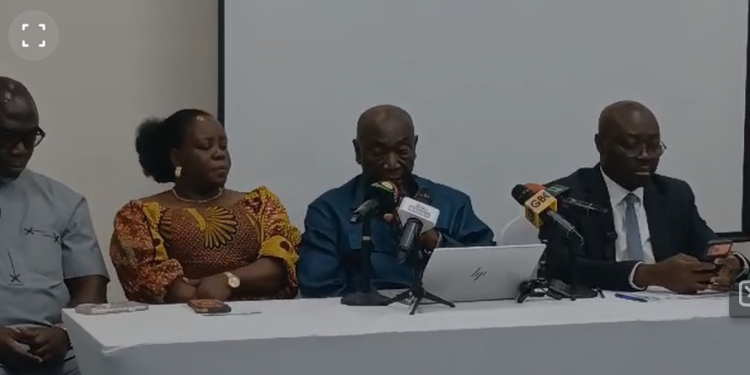
The Minority Caucus on Employment, Labour Relations and Pensions had just emerged from a closed-door meeting, their faces set with resolve. News had broken of the government’s new Multi-Year Public Service Remuneration Agreement, which, after weeks of negotiations, had been finalized on October 28.
The details were stark: public sector workers would receive an 8 percent increase in base pay and an additional 1 percent adjustment in conditions of service for 2027, a total of 9 percent. For 2028, the raise would be 10 percent. To the government, it was a modest step forward. But to the Minority Caucus, it was nothing short of an insult.
Mavis Nkansah Boadu, Ranking Member of the Committee on Employment, Labour Relations and Pensions, signed a statement on October 30, expressing the Minority’s shock and disappointment. She recounted stories from constituents, teachers struggling with rent, nurses watching transport fares eat into their wages, and civil servants forced to choose between electricity and food. The caucus argued that the salary adjustments failed to keep pace with the relentless rise in the cost of living: electricity and water tariffs had climbed, transport and rent soared, and basic household expenses continued to mount.
“The proposed increases do not reflect the realities faced by Ghanaian workers,” Boadu declared. The sentiment echoed through the statement: the 9 percent increment for 2027, in the face of economic hardship, was inadequate and would further erode the purchasing power of public sector employees.
In response, the Minority Caucus called for an urgent overhaul of the remuneration framework. They demanded the immediate reconvening of the Public Services Joint Standing Negotiating Committee (PSJSNC) to establish a living wage, one that truly accounts for the cumulative toll of rising utility tariffs, commodity prices, and the broader economic climate. The caucus insisted that future wage negotiations must move beyond nominal figures and reflect the genuine cost of living endured by Ghanaian workers.
For now, the Minority’s message rang loud and clear: the current agreement was not enough, and the fight for fair wages was far from over.
Source: Apexnewsgh.com