








BasicNeeds-Ghana Empowers 202 Beneficiaries with Sustainable Animal Husbandry Skills

BasicNeeds-Ghana, a non-governmental organization, has organized a training program on sustainable animal husbandry practices for 202 beneficiaries, comprising individuals with mental illness or epilepsy, carers, and vulnerable widows. Apexnewsgh reports The training aims to enhance their knowledge and contribute to sustainable income and food security. The training focused on providing participants with the skills and knowledge necessary for sustainable animal husbandry practices, including appropriate housing, nutrition, and health management. This approach ensures quality production and safe food, while also promoting the well-being of the animals. Good animal husbandry practices, such as day-to-day care, management, production, nutrition, selective breeding, and raising of small ruminants, were covered during the training. These practices are essential for keeping animals healthy and providing adequate and contamination-free feed, water, and optimum living conditions. By adopting sustainable animal husbandry practices, the beneficiaries will be able to improve their livelihoods and contribute to food security in their communities. The training is expected to have a positive impact on the lives of the beneficiaries and their families, promoting economic empowerment and well-being. Source: Apexnewsgh.com Thanks for reading from Apexnewsgh as a news publishing website from Ghana. We encourage you to freely share this story via social media platform and follow us on; Facebook on APEXNEWSGH-Tv or Please contact Apexnewsgh.com on email apexnewsgh@gmail.com for your credible news publications. Contact: 0248250270/0256336062.
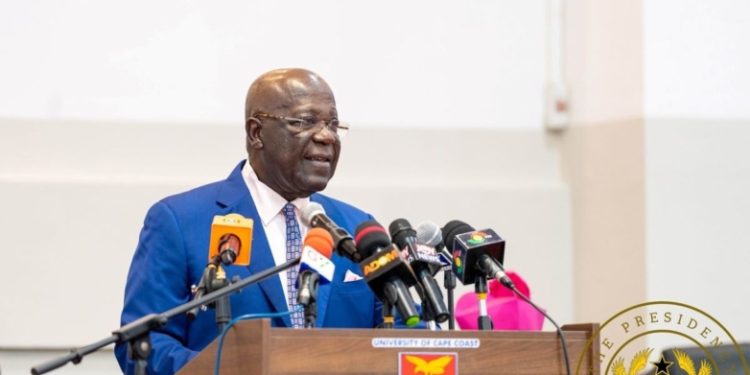
BasicNeeds-Ghana Executive Director Advocates for Increased Government Support for Mental Health Services

Mr. Peter Yaro, Executive Director of BasicNeeds-Ghana, has called on the government to allocate more resources to mental health services in Ghana. Apexnewsgh reports Speaking at a public lecture on maternal mental health organized by the Ghana Mental Health Authority, Mr. Yaro emphasized the need for increased funding to support mental health initiatives. He expressed support for the proposal to redirect the COVID-19 Levy to support mental health, as stipulated in the Mental Health Law (Act 846). “The mental health act talks about having a mental health fund, but has it been created? Our distinguished board chair and CEO recently suggested shifting the Covid-19 levy to support mental health, and I think it’s a step in the right direction,” Mr. Yaro stated. Mr. Yaro urged the government to prioritize mental health by allocating a larger percentage of the health sector budget to support mental health initiatives. “Civil Society will continue to call on the government to provide more resources for mental health. We will take every opportunity to advocate for the health sector budget to go beyond the less than 5 percent currently allocated to support mental health,” he insisted. The call for increased government support for mental health services comes at a time when mental health issues are becoming increasingly prevalent in Ghana. The advocacy efforts of organizations like BasicNeeds-Ghana aim to ensure that mental health receives the attention and resources it deserves. Apexnewsgh.com/Ghana/Ngamegbulam Chidozie Stephen Please contact Apexnewsgh.com on email apexnewsgh@gmail.com for your credible news publications. Contact: 0248250270/0256336062.
Alliance for Mental Health and Development Expresses Concerns Over Government’s Inaction on Mental Health Issues

In a recent meeting held in Tamale from April 24th to 25th, 2024, the Alliance for Mental Health and Development, a network of civil society organizations, non-governmental organizations, community-based organizations, and concerned individuals, gathered to discuss critical issues affecting mental health in Ghana. Apexnewsgh reports The meeting highlighted concerns over recent actions and inactions by state actors that may negatively impact the mental health of vulnerable populations. The Alliance expressed alarm over the delay in implementing revised guidelines for the District Assembly Disability Common Fund, which aims to enhance the inclusion of people with mental health conditions. Furthermore, the Alliance criticized the delay in releasing funds to support persons with disabilities, citing the lack of action by established bodies such as the Mental Health Review Tribunal and Regional Visiting Committees due to limited financial resources. Despite welcoming the establishment of these bodies, the Alliance emphasized that the government’s inaction undermines the rights and protections guaranteed by the 1992 Constitution of the Republic of Ghana and the Mental Health Law (Act 846). The meeting served as a call to action, urging the government to prioritize mental health issues and take concrete steps to address the concerns raised by the Alliance. Find the full communique below: The Alliance for Mental Health and Development (Alliance), a network of CSOs, NGOs,CBOs, and concerned individuals, convened its annual review and planning meeting in Tamale from 24th to 25th April 2024. During this meeting, we deliberated on issues concerning mental health, psychosocial disabilities, human rights, and the inclusion of people with mental health conditions in public health policies and services, which are critical to the mental health and wellbeing or poor and vulnerable people with Mental Health and Psychosocial Support Service (MHPSS) needs. The Alliance expresses concern over recent actions and inactions by State actors that potentially have a negative impact on people’s mental health, and on poor and vulnerable people with mental health conditions. The Ghana Federation of Disability Organisations (GFS), and the government, under the aegis of the Ministry of Gender, Children and Social Protection (MoGCSP), revised the guidelines for the disbursement and management of the District Assembly Disability Common Fund (DACF) to enhance the inclusion of people with mental health conditions. While the Alliance looks forward to the implementation of the revised guidelines, the delay in the Minister for responsible for the MoGCSP formally signing off the document negatively impact the much-needed inclusion and benefit that people with mental health and psychosocial conditions should enjoy. Our Alliance is particularly alarmed by the delays in the release(s) of the Common Fund to the Metropolitan, Municipal, and District Assemblies (MMDAs) in order that the 3% o the fund due persons with disability can be utilised to support their basic and felt needs. The Alliance equally uses the opportunity to welcome and commend Mental Health Authority, for that matter, government, for the establishment of Mental Health Review Tribunal and Regional Visiting Committees. The Alliance is however worried about the lack of action by these bodies so established, which is attributed to limited financial resourcing. This situation undermines the rights and protections guaranteed by the 1992 Constitution of the Republic of Ghana and the Mental Health Law (Act 846). The Mental Health Review Tribunal and Regional Visiting Committees are essential for safeguarding the rights of people with mental health conditions and ensuring compliance with national and international policies and conventions. Treatment of mental illness is often costly in the long-term if not adequately addressed immediately. People with mental health conditions and their primary caregivers are generally poorer than the general population. With a 95% treatment gap, and the requirement that people with mental health conditions are to pay for essential treatment at the point of service delivery, is at best unrealistic, as a majority of them are below the poverty line, earning less than the daily minimum wage. The Alliance is worried that promises by state officials to include mental health services in the National Health Insurance Scheme (NHIS) benefit package is yet to materialise, excluding many from benefiting from necessary care. The Alliance has observed marginal improvement in the use of appropriate language when referring to people with mental health conditions. The use of derogatory language and stigmatising behaviours towards people with mental health conditions however persists, and such attitudes exacerbate the vulnerabilities, marginalisation and exclusion they face. Considering these concerns, the Alliance calls for immediate action and proposes the following measures: Approve DACF Disability Fund Disbursement and Management Guidelines: The Minister of Gender, Children and Social Protection, and the Minister for Local Government and Rural Development to sign and launch the revised the DACF Disability Fund Disbursement and Management Guidelines. Additionally, ensure the prompt release of funds and transparent, unhindered access to the 3% fund allocated for persons with disabilities, providing essential financial and material support for people with mental health conditions. Resourcing the Mental Health Review Tribunal and Visiting Committees: Allocate adequate resources to the Mental Health Review Tribunal and Visiting Committees and expand their operations across all regions of Ghana, providing a mechanism for redress and protection against abuse for people with mental health conditions. Resource mental health facilities: Invest in district and community health facilities to provide comprehensive mental health care services. Inclusion of mental health services in NHIS: Implement assurance to include mental health treatment in the NHIS benefit package by World Mental Health Day 10th October 2024. This will ensure access to mental health services for all. Address derogatory language: The Government of Ghana, state and non-state print and electronic media should implement comprehensive measures to address stigma and discrimination against people with disabilities and mental health conditions. These measures should include public awareness campaigns to sensitise the public and promote of inclusive policies and practices. In the long term, the Alliance urges the government to make sustained investments in mental healthcare services and ensure that social safety nets like the Livelihood Empowerment Against Poverty program effectively target and cover the poorest of the poor and vulnerable people,
National Alliance for Mental Health Concludes Annual Review Meeting in Tamale

The National Alliance for Mental Health and Development recently wrapped up a successful two-day national annual review meeting in Tamale, the Northern regional capital. Apexnewsgh reports The meeting brought together representatives from regional chapters to assess their achievements, address challenges, and strategize future initiatives geared towards enhancing the well-being of individuals with mental health issues throughout the nation. On the first day of the meeting, participants engaged in discussions marked by renewed commitments, as regional chapters delivered presentations showcasing their accomplishments and sharing valuable insights gained from their experiences. Key topics of conversation included advocacy efforts and upcoming projects designed to provide further support to individuals facing mental health challenges. Excitingly, sharing some success stories from their project intervention, the Upper East Mental Health Alliance narrated how a group of women in the Talensi and West Manprusi District have found a new source of livelihood and hope through vegetable farming. According to the Alliance, these women, who were previously rejected in their communities due to their mental health conditions, are now thriving thanks to their involvement in agriculture. For over a decade, these women and their families had faced extreme hardship, struggling to make ends meet and often having to travel to the south for menial jobs just to put food on the table. However, with the intervention of the Upper East Mental Health Alliance and Development, their lives have taken a positive turn. The Alliance has provided support and resources to help these women start vegetable farming, and they are now successfully growing and selling vegetables in their community. This not only provides them with a sustainable source of income but also boosts their self-esteem and sense of purpose. The transformation in these women’s lives showcases the power of Alliance support and opportunities for individuals with mental health challenges. Through vegetable farming, they have not only improved their economic situation but also become valued members of their community, inspiring others to see the potential and capabilities of individuals facing mental health issues. Meanwhile, the annual review meeting was supported by Ghana Somubi Dwumadie and spearheaded by BasicNeeds Ghana, as the convener of the National Alliance for Mental Health. Source: Apexnewsgh.com Please contact Apexnewsgh.com on email apexnewsgh@gmail.com for your credible news publications. Contact: 0256336062
A’s –G Report: Mental Health Fund not delivering its intended purpose

The 2021 Auditor’s General Report has revealed that the Mental Health Fund is not delivering its intended purpose. According to the report, part of the object of the Mental Health Act, 2012 (Act 846) is to provide financial resources for the care and management of persons suffering from mental disorders. It further said: “the Fund is to be used for the skills training of persons with mental disorders any matter connected with the rescue, rehabilitation, and reintegration of persons with mental disorders; the construction of facilities for a person with mental disorders; and training capacity building and research” Kindly find the report below Source: Apexnewsgh.com For publication, kindly contact us on 0256336062 or apexnewsgh@gmail.com
Inadequacy and erratic supply of Psychotropic medicines in hospitals hampering treatment of mental health patients—A’s-G Report

According to the 2021 Auditor’s General Report, the inadequacy and erratic supply of Psychotropic medicines in hospitals is hampering the treatment of mental health patients across the country. The report said: “we found that Central Medical Stores (CMS) was unable to supply the quantities of psychotropic drugs requested by the three main psychiatric hospitals. We tested the availability of a sample of the commonly used drugs at the three psychiatric hospitals and found that the Central Medical Stores was unable to meet the requirements of the hospitals in each of the four years of the audit period. Table 3 shows the quantities of psychotropic medicine requested by the three psychiatric hospitals and the actual quantities of the Central Medical Stores. Section 57 (4) of the Mental Health Act, 2012 (Act 846) requires that every person with a mental disorder to have access to psychotropic drugs ( drugs for the treatment of mental illness) as well as any psychosocial rehabilitative care where necessary.However, the report says it is expected that the Mental Health Authority (MHA) make available psychotropic medicines at all levels of treatment for mental health patients to improve treatment conditions. Below is the full report Source: Apexnewsgh.com For publication, please kindly call 0256336062 or Email: apexnewsgh@gmail.com