







UN Resident Coordinator Launches “Enhancing Food Security, Nutrition and Resilience” Program in Upper East Region

On Thursday, UN Resident Coordinator Mr. Charles Abani launched the “Enhancing Food Security, Nutrition and Resilience” program in Bolgatanga, the Upper East Region of Ghana. Apexnewsgh reports The program aims to improve food security, nutrition, and resilience for vulnerable host communities and asylum seekers in Upper East and Upper West regions. Mr. Abani during the launch emphasized the importance of collaboration between the Ghanaian government, UN agencies, and other partners. He thanked the French government for their invaluable contribution to the program. Climate change, drought, and flooding have worsened food insecurity in Northern Ghana, affecting 15,000 asylum seekers and host communities. The program will provide targeted interventions to improve food security and nutritional outcomes. Mr. Abani further highlighted the UN’s commitment to transparency, accountability, and community engagement. He encouraged stakeholders to work together to ensure the program’s success. Before concluding, Mr. Abani urged Ghanaians to pledge for peace during the upcoming elections, emphasizing the importance of democracy and peaceful coexistence. The program is part of the UN’s broader efforts to support Ghana’s development goals and promote sustainable development. Source: Apexnewsgh.com/Ghana For publication please kindly contact us on 0256336062 or Email apexnewsgh@gmail.com
UN Intervenes in Food Crisis for Asylum Seekers in Ghana’s Upper East and West Region
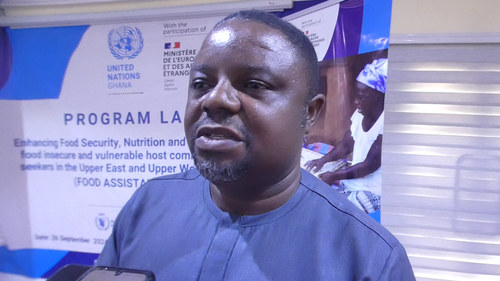
The United Nations is taking proactive measures to address the pressing issue of food insecurity among asylum seekers in Ghana’s Upper East region. Apexnewsgh reports According to Mr. Peter Aidoo, Economic Advisor to the UN Resident Coordinator, the organization’s intervention aims to enhance food security and nutrition for approximately 15,000 asylum seekers in the Upper East and Upper West region. Responding to why the intervention is necessary for these two regions, Mr. Aidoo said, Ghana’s northern sector is particularly vulnerable to food insecurity due to climate-related challenges, perennial flooding, drought, and insecurity. The asylum seeker crisis has exacerbated these issues, with numbers projected to reach 28,000. He further listed some of the key components of the UN’s Intervention as Wet Feeding and Cash Transfers: Providing essential sustenance and financial support to asylum seekers, Training and Capacity Building: Educating asylum seekers on diverse food and nutrition, gardening practices, and income-generating activities, Land for Farming: Allowing asylum seekers to utilize their agricultural skills and promote self-sufficiency, Support for Host Communities: Ensuring harmonious coexistence by providing training and capacity-building support. These initiatives are funded by the French and implemented jointly by WFP, UNICEF, UNHCR, and IOM. Food Insecurity Assessments: A 2020 comprehensive assessment revealed 3.6 million people faced food insecurity due to COVID-19, representing 11.2% of Ghana’s population. A 2022 assessment found 719,100 persons food insecure, with 78% located in the northern sector. Mr. Aidoo believes the UN’s efforts aim to address the root causes of food insecurity, promote self-reliance, and foster peaceful coexistence between asylum seekers and host communities. Source: Apexnewsgh.com/Ghana For publication please kindly contact us on 0256336062 or Email apexnewsgh@gmail.com
WFP Ghana Launches ‘Enhancing Food Security, Nutrition and Resilience’ Program
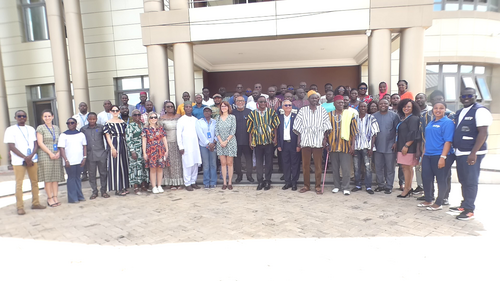
Gyamila Abdul-Wahabi, Outcome Manager for Emergency Preparedness and Response at WFP Ghana, on Thursday presented the “Enhancing Food Security, Nutrition and Resilience” program in a Joint Launch that took place in Bolgatanga, the Upper East Regional Capital. Apexnewsgh reports According to Madam Gyamila, the 18-month initiative aims to improve the nutritional status and food security of vulnerable populations in Ghana, particularly pregnant and breastfeeding women, adolescent girls, and children under 10. The program focuses on five outcome areas: Emergency preparedness and response, Nutrition, Food systems, Social protection and Demand services. highlights more on the benefits for asylum seekers and their host communities, Madam Gyamila pointed that there will be a Cash transfers of 400 Ghana cedis per household, with additional support for households with pregnant and breastfeeding women, and adolescent girls, Social and behavior change communication interventions, Nutrition-sensitive agriculture inputs and capacity strengthening and Fish farming initiatives for asylum seekers and host communities. The launch brought about more Implementing partners which include government agencies, UN agencies, NGOs, and private sector partners and beneficiaries. Madam Gyamila is revealed that the program is funded by the French government, with 600,000 euros allocated to WFP Ghana. The program targets 10,000 asylum seekers and host community members in Upper East and Upper West regions, with an additional 20,000 indirect beneficiaries.