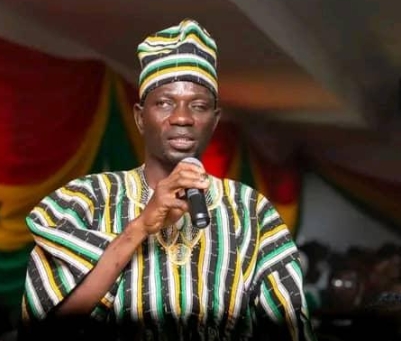

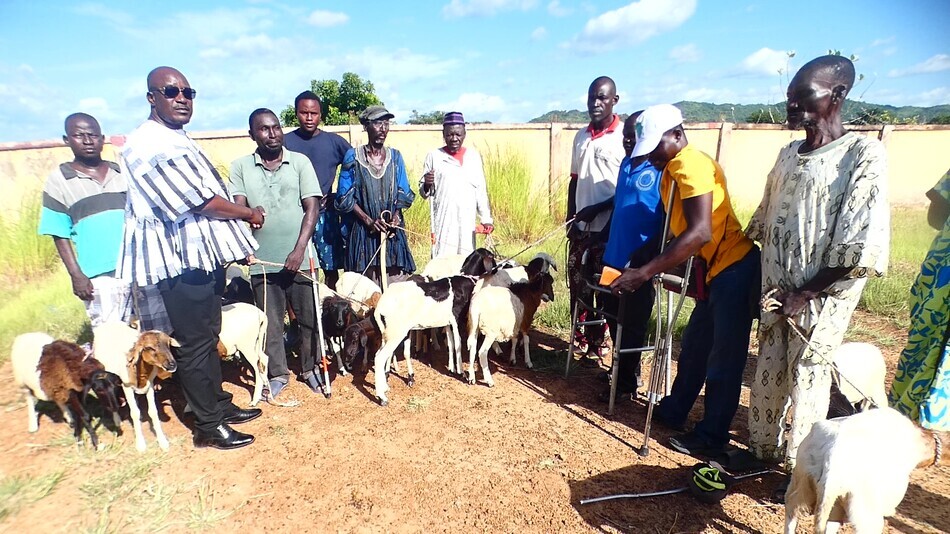
The District Chief Executive (DCE) for Talensi, John Millim Nabwomya, has handed over 102 sheep to members of the Ghana Federation of Disability Organisations (GFD) in the Talensi District of the Upper East Region as part of efforts to empower persons with disabilities (PWDs) through sustainable livelihood projects. Out of the 51 beneficiaries, each received two female sheep. Speaking during the handing-over ceremony, the DCE stressed that the initiative is aimed at providing income-generating opportunities for PWDs. “What you have just witnessed here is a handover of livestock to people living with disabilities of whatever kind, for them to also improve upon their livelihood. These animals are meant for them to rear. That’s why they keep on increasing. That’s how they can also help themselves.” Mr. Nabwomya explained that the 102 sheep have already been distributed with the guidance of leaders of the disability group to ensure fair allocation. “It depends on the number. This has already been shared among them. They have a leader, so before the sharing, the leader comes through with them on how it will be distributed. Someone can get one, and by the next two years, the person can have up to three or four. Somebody can also get two. It depends on how they and their leaders can distribute them.” He further emphasized the Assembly’s role in supporting PWDs to achieve self-reliance. “We are supposed to facilitate and help them get whatever they are supposed to acquire, and that’s what we have just done.” The gesture, which falls under the Disability Common Fund, is part of an ongoing effort to reduce dependency among PWDs in Talensi and provide them with practical tools to improve their living conditions. Meanwhile, the President of the Federation in the district, Clement Sampana, explained that the support is tailored to meet the needs of individual members, ranging from livestock for rearing to equipment for small-scale businesses. “We have pumping machines, we have sewing machines. And then other matters,” Mr. Sampana said. “Today we are giving out animals. Those who applied for animals to be reared in their houses as an income-generating activity are the ones benefiting today.” He clarified that the initiative is not a loan scheme but a grant to support the livelihoods of PWDs. “The disability fund is for persons living with disability. So it is a grant. They are not going to pay back. It’s to empower them to generate small, small incomes for their upkeep.” To ensure accountability, Mr. Sampana noted that beneficiaries are properly sensitized before receiving items, while monitoring mechanisms are in place. “Before the disbursement, these persons are engaged and properly sensitized. The committee also has a monitoring mechanism. By December, all the beneficiaries will be visited to find out how the support has been doing for them.” He added that outstanding beneficiaries stand a chance of receiving additional support in the future. “Those of them that can do good, we told them we’ll be supporting them again. That is an encouragement for them to put the support into good use.” According to Mr. Sampana, 51 beneficiaries applied for livestock, while three will receive fridges, another three sewing machines, two water pumping machines, and seven will benefit from trade-related support. The disbursement, which is expected to continue in the coming days, is seen as a crucial step toward reducing dependency among PWDs in the district and enabling them to contribute meaningfully to their communities. Badembanoya Lockre beamed with joy as he received his share of two sheep from a well-wisher’s initiative. Overwhelmed with gratitude, he thanked the District Chief Executive (DCE) and the leadership of the Ghana Federation of Disability Organizations (GFD) for their continuous support. Speaking on behalf of his fellow beneficiaries, Lockre promised that they would take good care of the livestock, ensuring the initiative’s success. The gesture has brought hope and excitement to the beneficiaries, who are eager to improve their livelihoods through this support. Source: Apexnewsgh.com
Ghana’s PWDs Cry Foul Over Secretive Disability Fund Disbursements
For Ghana’s community of Persons with Disabilities (PWDs), the promise of inclusion remains painfully out of reach. Despite government initiatives and constitutional guarantees, the Ghana Federation of Disability Organizations (GFD) says its members are being sidelined, left in the dark about the funds meant to empower them. Ghana’s 1992 Constitution mandates that at least 5% of national revenues be channeled to Metropolitan, Municipal, and District Assemblies (MMDAs) through the District Assembly Common Fund (DACF) for local development. In 2005, a portion of this fund was earmarked specifically for PWDs, to fight poverty and enable dignified work. Yet, nearly two decades later, poverty remains rampant among the country’s disabled population, which the latest census puts at about 8% (over 2 million Ghanaians). According to the GFD, the real problem isn’t the promise of funding; it’s the secrecy and lack of accountability surrounding its disbursement. “We Don’t Know When or How Much”: PWD Leaders Speak Out “It is a major problem for us. They disburse without us knowing the amount, even me as national President, I don’t know how much is disbursed to those I represent,” laments Joseph Atsu Homadzi, GFD’s National President. He describes how regional and district leaders are routinely left uninformed about allocations, making it easy for some assemblies to divert or withhold funds altogether. Akubire Mark Atia Ismael, Upper East Regional President of GFD, echoes the frustration. He explains that, in the past, a National Council of PWDs liaison officer would attend meetings with the Common Fund Secretariat and relay detailed information to GFD leaders nationwide. But since 2023, this officer has been excluded from these crucial meetings, without explanation. “When we organized a program in Accra and invited him, that’s when we learned he was no longer being invited to the meetings,” Mark reveals. “How can you be taking allowance and for some time they are not inviting you, and you are quiet? There is something hidden they don’t want us to know.” He laments The lack of transparency creates fertile ground for misuse. “Sometimes, the assembly will borrow the money and use it for something else; sometimes, they don’t give us any money at all,” Homadzi says. With no clear communication or published figures, PWD leaders suspect cover-ups and misappropriation. Meetings with the new Common Fund Administrator have produced only vague promises: “When the money is ready, they will publish it on their website,” Homadzi reports, but so far, GFD is still waiting. The PWD Common Fund is not a handout; it’s a constitutional right and is designed to level the playing field for one of Ghana’s most marginalized populations. Yet, secrecy and opaque practices continue to lock PWDs out of decisions that directly affect their welfare. Preceding the Talensi District, I met Sampana Clement, the President, Ghana Federation of Disability Organizations- sits quietly, sifting through a stack of applications from people with disabilities, each one a plea for support, each one uncertain if help will ever arrive. As a committee member of the Ghana Federation of Disability Organizations (GFD) in Talensi, Clement has grown all too familiar with the frustration and confusion surrounding the disbursement of the Disability Common Fund. “This is a challenge we’ve been battling for years,” Clement confides, his voice tinged with resignation. “We’re supposed to know how much money comes into our account each quarter. The committee is meant to be informed, so we can plan and decide how many people we can support.” But reality, he says, is far different from the promise. Instead of official notifications or transparent accounting, committee members like Clement often hear about fund releases from the news, if at all. “When we hear something has come, it’s up to us to go chasing the assembly for answers,” he explains. “We keep going, keep asking, until someone finally admits that money has arrived.” Even then, the process is shrouded in secrecy. Only the district’s coordinating director and finance officer have access to the account; no committee member holds signing authority. “Sometimes the accountant will tell us a figure, or write something down if we insist. We take that number in good faith, but we never know if it’s the true amount,” Clement sighs. “The account is controlled solely by the assembly. Only the director and the DFO really know what goes in and what comes out.” This lack of transparency leaves the committee powerless, forced to work with whatever scraps of information they can obtain. Meanwhile, support applications continue to pile up, and the funds that trickle down are often not enough to meet the overwhelming need. “It’s worrying,” Clement says, glancing at the hopeful faces in the applications before him. “We have so many people waiting, and when the money finally comes, it’s always less than we need. We deserve to know what’s rightfully ours.” In Talensi, as in much of Ghana, the struggle for disability rights isn’t just about ramps or accessible transport; it’s about access to the truth, and the fight for a fair share of the nation’s promise. Conclusion. As the debate surrounding the disbursement of Ghana’s Disability Common Fund continues to unfold, one thing is clear: transparency is key. To address the concerns of Persons with Disabilities (PWDs) and ensure that the fund serves its intended purpose, it would be prudent for the Common Fund Secretariat to consider appointing a liaison officer. This officer’s primary duty would be to release timely information regarding the quarterly disbursement of the fund, providing much-needed clarity and accountability. By taking this step, the Secretariat can help build trust with PWDs and demonstrate its commitment to transparency and good governance. With a dedicated liaison officer in place, PWDs can stay informed about the fund’s activities, and the Secretariat can showcase its dedication to serving the needs of Ghana’s disability community. Ultimately, this move would be a significant step towards ensuring that the Disability Common Fund is used effectively to support PWDs and promote their well-being. Apexnewsgh.com/Ngamegbulam Chidozie Stephen
Upper East Regional Pres of GFD Urges Govt to Prioritize Disability Inclusion and Support Programs
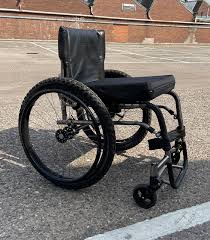
Disability advocacy plays a crucial role in creating inclusive and accessible communities. The Ghana Federation of Disability Organizations (GFD) champions the rights of persons with disabilities (PWDs), advocating for equality in all aspects of life. Apexnewsgh reports In the Upper East Region, challenges faced by PWDs are widespread, from poor infrastructure to limited access to education and healthcare. Akubire Mark Atia Ismael, the regional president of GFD, in his press release has made clear how crucial it is for the government to step up support and put policies into action that truly uplift PWDs. This article explores why disability inclusion matters for regional growth and details the specific requests from Ismael to improve PWDs’ lives. Including persons with disabilities in regional plans boosts community growth. When PWDs can work, learn, and access services freely, everyone benefits. In Upper East, data shows that PWDs often have lower employment rates, and many live below the poverty line. Supporting their inclusion helps increase income and reduces social gaps. When communities embrace diversity and accessibility, local economies thrive. Take, for example, regions in Ghana and neighboring countries. Places that have invested in accessible schools and workplaces saw more employment for PWDs. These regions also gained stronger, more united communities. When PWDs contribute through work or skills, they add value to society, just like any other group. PWDs face numerous hurdles that block their path to equality. Accessibility issues: Most public buildings and transportation are not equipped for wheelchairs or visually impaired individuals. This lack of infrastructure limits their independence. Healthcare barriers: Many PWDs can’t access specialized medical services or rehabilitation centers. This gap leads to worsening health conditions. Educational obstacles: Schools lack the resources or inclusive policies to support children with disabilities. As a result, many children stay out of school or receive subpar education. These challenges keep PWDs from fully participating in society and reaching their potential. The government must address these barriers for genuine progress. One major concern is the lack of financial support. Ismael calls for more funding dedicated to disability programs. This would cover assistive devices, like wheelchairs or hearing aids, plus rehabilitation and skills training. Sustainable funding ensures these programs keep running long-term, not just as short-term projects. Some regions worldwide have successfully used targeted grants and international aid to boost disability support. Ghana can learn from such models by creating clear budgets that prioritize PWD programs, making sure funds reach those who need them most. Making public spaces accessible is critical. This means constructing buildings with ramps, lifts, and clear signage. Renovating existing facilities with universal design standards can greatly reduce barriers. Better transport options are also key accessible buses or shared taxis allow PWDs to move around freely. When urban planning includes accessibility in all new projects, PWDs gain the freedom to participate fully in daily activities. Healthcare needs urgent attention. Establishing specialized health units for PWDs improves diagnosis, treatment, and support. Inclusive education is just as vital. Schools should adopt policies and train teachers to cater to children with disabilities. Partnering with NGOs and international organizations can boost resources and expertise. These collaborations will help deliver quality services and inclusive learning environments. Current laws protecting PWDs must be enforced better. Strengthening legislation ensures PWDs are recognized and protected legally. New policies should promote employment and social inclusion, making sure PWDs can access opportunities. It’s essential to establish monitoring systems. Regular checks will verify if policies work and help identify gaps. This accountability ensures ongoing progress. Changing attitudes is perhaps the biggest challenge. Campaigns that promote understanding and reduce stigma are needed. Employers and service providers should receive training on disability inclusion. Working with local leaders and communities creates a culture of acceptance. When everyone understands and values diversity, social barriers begin to fall. Creating lasting change requires everyone working together. Involving PWDs and advocacy groups in policymaking ensures their voices are heard. Collaboration among government agencies, private companies, and non-profits will foster innovative solutions. Ghana has seen success with joint initiatives where all sectors contribute. These efforts prove that teamwork leads to better outcomes. Setting clear goals makes tracking progress easier. Establishing measurable targets and regularly reviewing results keeps programs on track. Feedback from PWDs helps refine policies and services. Using data helps allocate resources efficiently, ensuring that efforts actually meet needs. Government: Focus on increasing budgets for disability rights and reform policies. NGOs & Community Groups: Raise awareness and improve local support services. PWDs & Families: Stay informed about available resources and participate in decision-making processes. Both individuals and organizations play a part in fostering an inclusive society. Meanwhile, the recent appeals by Akubire Mark Atia Ismael highlight how much work remains to support PWDs effectively. Prioritizing funding, accessibility, healthcare, education, and legal reforms creates a path toward true inclusion. When the government acts swiftly and continues to listen, the Upper East Region can become a leader in disability support. He believes the key is consistent effort and strong partnerships. “Together, we can build communities where everyone has equal chances to thrive. It’s time to turn these key requests into actions that transform lives”. The future of the Upper East Region depends on how well we support persons with disabilities today. He stressed Source: Apexnewsgh.com/Ngamegbulam Chidozie Stephen
Persons with Albinism safety not guaranteed in some parts of Ghana, a worrying situation in the 21st century.
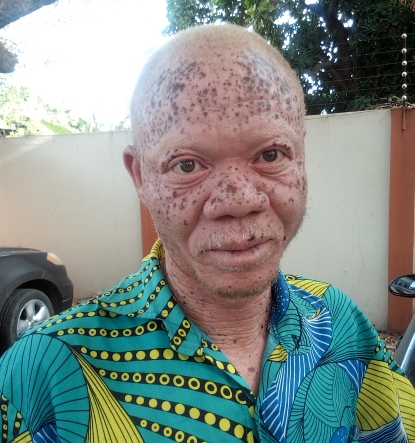
Unfortunately, there are some societies and cultures where people with albinism face discrimination, prejudice, and even violence. This is often due to a lack of understanding and misinformation about albinism, as well as deeply rooted cultural beliefs, superstitions, and myths surrounding the condition. In some cultures, people with albinism are believed to possess magical or supernatural powers, which can lead to harmful actions like kidnapping, mutilation, or even murder for the purpose of using their body parts in rituals or potions. This brutal practice, known as “albino hunting,” is driven by a range of factors, including ignorance, myths, and deeply ingrained cultural beliefs. However, it is ridiculous and surprising to hear from a representative of affected Persons with Albinism in Ghana that in this 21st century, their lives are still in danger in some parts of the country following some regrettable cultural beliefs which in the actual sense have no regard for humanity. Apexnewsgh.com has gathered that, in some parts of Ghana, the movement of Persons with Albinism posed a heavy threat to their lives due to certain perceptions some communities consumed about them, especially with regard to their skin and color. Some are banished from their communities in some parts of Ghana once they are Persons with Albinism because people in these communities believe Albinism is forbidden or a curse to the society and for that matter, there will be no progress in their community. Such a regrettable mentality isn’t it? All these were revealed when Ngamegbulam Chidozie Stephen engaged the Communication Officer Ghana Federation of Disability Organizations (GFD) Adam Abdul Wahab in an exclusive Interview on Wednesday, April 5, 2023. Apexnewsgh Question: What is the situation in Ghana when it comes to Persons with Albinism? Adam Abdul Wahab’s Response: “The issue about Persons with Albinism in Ghana is very critical due to traditional beliefs and some perceptions and other cultural practices. It makes life very difficult for Persons with Albinism in some parts of the country. We continue to face exclusions, discrimination, and prejudice of various forms”. Apexnewsgh Question: Were they allowed to stay in their communities? Adam Abdul Wahab’s Response: “In some communities, Persons with Albinism are not even allowed to stay in those communities, with the belief that when Persons with Albinism are found in those communities, it is a bad omen and a curse to the society and for that matter, the thing wouldn’t move on well for the people in those communities”. Apexnewsgh Question: What are some of the steps taken by these identified communities against Persons with Albinism? Adam Abdul Wahab Response: So, some of the things they do, is to either banish the person from the community or they used the person for rituals”. There are some studies conducted by the Ghana Association of Persons with Albinism in 2019 which actually ascertain the fact that in some communities in the Eastern Region of Ghana and some communities in the Bono East Region, this practice is going on, where Persons with Albinism are banished from the community. In these communities, do Persons with Albinism move around freely? So, they do not have the liberty of movement. , if the constitution of Ghana gives us the freedom of movement and yet, some Persons with Albinism are not allowed to live in some communities then, I do not see how we value our constitution as a country. It looks like we are placing more trust or giving the traditional belief or culture power more than even the supreme law we have in Ghana”. Apexnewsgh Question: What are some of the steps you have taken as an Organization to seek Justice? Adam Abdul Wahab Response: “We have petitioned CHRAJ on this issue after we conducted a study and CHRAJ continues to tell us that they are conducting an independent investigation to satisfy with the facts we presented”. “It was submitted in 2019 up to now 2023, we have not heard anything positive from CHRAJ and the only response they gave us when we follow up, is that they are working on it and I don’t know how long they will work on it”. Apexnewsgh Question: How does all these experience affect your member’s daily activities? Adam Abdul Wahab Response: One of the ways it affects our day-to-day activity is that, is a security threat to Persons with Albinism because those communities I have just mentioned are known. Maybe Persons with Albinism in these areas will know how they protect themselves and once it is happening in some communities, it means that it also happens in different parts of the country, even though those ones are not yet known. So, once they are not yet known, it means that the security of Persons with Albinism is at risk and there is always a common statement people are making about Persons with Albinism, that if you are a person with Albinism and you grow to a certain age, you disappear or vanish. However, Mr. Adam Abdul Wahab stressed, that the study they conducted in 2019 made them believe that people silently kill Persons with Albinism for rituals, and later claim they have vanished. A spiritual issue he believes is posing a security threat to Persons with Albinism in the country. Apexnewsgh.com would like to suggest that, is high time communities across the country are well educated and sensitized to know that being an albino is not a curse. Albinism is a genetic condition that affects the production of melanin, the pigment responsible for the color of the skin, hair, and eyes. People with albinism have a lack or absence of melanin, which results in lighter or white hair, skin, and eye color. Albinism does not affect a person’s character, abilities, or worth as a human being. It is important to treat individuals with albinism with respect and equality, just like any other person. However, in achieving this education and sensitization exercise across various communities in the country, resources and support must be made available through any philanthropist organizations interested in the welfare